|
 |
 |
 |
 |
 |
 |
 |
 |

 |
US Funds Body Armor Research
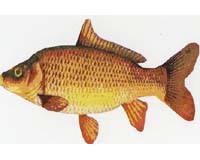
Washington (UPI) Jul 20, 2006 The U.S. military is turning to the animal world in an effort to develop lighter, tougher and longer lasting body armor. A Massachusetts Institute of Technology engineering graduate student, Benjamin Bruet, is part of a U.S.-funded team that has tested horns, antlers, fish scales and other natural materials to study how animals shield themselves in the wild, National Geographic News reported. Bruet is optimistic his research will be successful. "Within 10 years, drastic improvements will have already been implemented that will revolutionize the battle suit," he told NGN. A major factor in developing new materials is weight. Nick Taylor, manager of an Austin, Texas-based retailer of body armor, told National Geographic News: "For military use, your basic (body armor) setup is 15 to 20 pounds. The average soldier also wears about 40 pounds of gear on top of that, plus a helmet is 3 pounds." And any new product must be thoroughly tested, he said, noting Zylon was introduced in the late 1990s as being lighter, thinner and more flexible. But two police officers were shot and killed wearing Zylon vests before scientists discovered the material may degrade quickly, becoming ineffective after a few years.
Source: United Press International Community Email This Article Comment On This Article Related Links The latest in Military Technology for the 21st century at SpaceWar.com The latest in Military Technology for the 21st century at SpaceWar.com
 Elisra Group Unveils New Support Jamming System For Fighters
 Farnborough, UK (SPX) Jul 18, 2006
The Elisra Group will introduce its new ALQ-903 Escort Jammer System at this year's Farnborough Air Show 2006 in the UK. The system allows penetration of complex layers of air defences, increasing the survivability of attacking forces. |
|
|

| The content herein, unless otherwise known to be public domain, are Copyright 1995-2006 - SpaceDaily.AFP and UPI Wire Stories are copyright Agence France-Presse and United Press International. ESA PortalReports are copyright European Space Agency. All NASA sourced material is public domain. Additionalcopyrights may apply in whole or part to other bona fide parties. Advertising does not imply endorsement,agreement or approval of any opinions, statements or information provided by SpaceDaily on any Web page published or hosted by SpaceDaily. Privacy Statement |