
The power of Earth and beyond.
Energy News

Zimbabwe launches $500-mln power units to ease energy woes

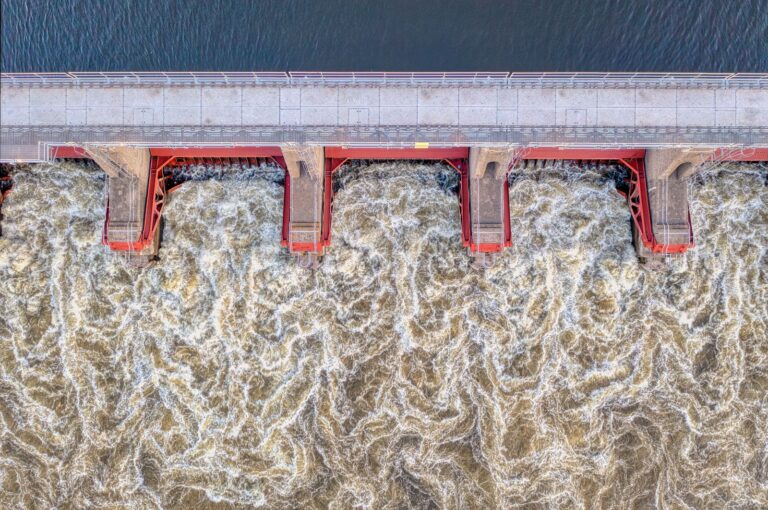
Kariba, Zimbabwe (AFP) Sept 04, 2014 - Energy-starved Zimbabwe on Thursday launched a $533-million project with China to scale up electricity generation at one of its major power plants in a bid to ease perennial energy woes.

Latest

All articles →
Oil and Gas

A pumped-hydro station in Wales moves 7.2 million cubic metres of water up a mountain at night and releases it through six turbines in the morning, delivering roughly 1,728 megawatts to the grid within 12 seconds of the operator pressing the start button

Buried inside a Welsh mountain, the Dinorwig pumped storage station uses six reversible turbines and a reservoir near the summit of Elidir Fawr to swing more than a gigawatt of electricity onto the British grid in seconds — the fastest-responding power plant in the country, and a template for the pumped hydro revival now underway from Gwynedd to New South Wales.

Oil and Gas

In 1901, workers at Spindletop in Texas struck oil at roughly 340 metres and could not cap the well for nine days as it spewed an estimated 100,000 barrels a day, more than every other producing well in the United States combined, and helped launch the age of cheap petroleum

On January 10, 1901, the Lucas well at Spindletop erupted with an estimated 100,000 barrels a day — more than every other producing well in the United States combined — and collapsed the price of crude by 87 percent, ending the whale-oil economy in a matter of months.

Oil and Gas

Nikola Tesla demonstrated alternating current at the 1893 Chicago World's Fair by lighting 200,000 incandescent bulbs from a single Westinghouse generator, undercutting Edison's DC bid by roughly half and effectively deciding which current would carry electricity into every home on the planet for the next 130 years.

On May 1, 1893, Westinghouse and Tesla lit 200,000 bulbs across the Chicago World's Fair with a single AC generating plant, winning the bid against Edison's DC by roughly half the price and settling the standard that still powers every wall socket in the world.

Space Travel

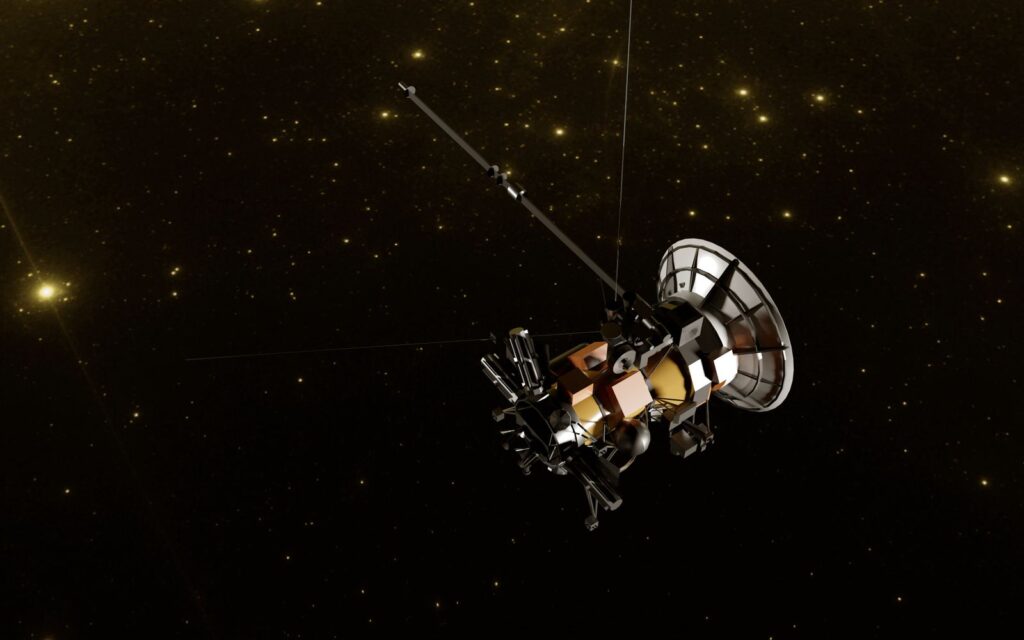
In 1962, NASA's Mariner 1 probe to Venus veered off course and had to be destroyed 293 seconds after launch, and the postmortem traced the failure to a single missing overbar in the guidance code — one hyphen-sized mark that cost roughly $18 million in 1962 dollars.

On July 22, 1962, NASA's Mariner 1 Venus probe was destroyed 293 seconds after liftoff when a missing overbar in the guidance code caused an Atlas rocket to steer itself off course. The mark that would have prevented the failure was the width of a hyphen — and its absence cost roughly $18.5 million in 1962 dollars.

Oil and Gas

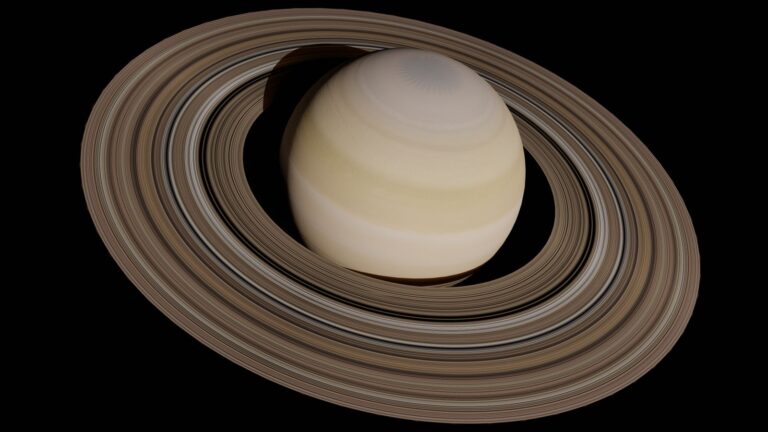
Titan's atmosphere is roughly four times denser than Earth's while its gravity is only one-seventh as strong, which means a human standing on Saturn's largest moon could strap wings to their arms and, in principle, take off under their own muscle power

Titan's air is four times denser than Earth's and its gravity is one-seventh as strong — a combination so generous to flight that NASA is sending a nuclear-powered octocopter to fly across it, and physics says a human in wings could, in principle, do the same.

What’s up in

Energy Tech

Clean energy, grid innovation, battery breakthroughs, and the technologies transforming how the world is powered.

What’s up in

Oil and Gas

Global oil and gas markets, exploration, production, pipelines, energy security, and the technologies and policies shaping the world's conventional energy sector.

What’s up in

Bio Fuel

Biofuels, biomass, sustainable fuels, waste-to-energy, renewable alternatives, and the science and technology advancing low-carbon energy solutions.

About Energy Daily

The power of Earth and beyond.

Energy Daily is an independent publication covering global energy systems, oil and gas, clean technology, infrastructure, and the engineering that powers the modern world. The site pairs a deep archive with current reporting on the research, companies, policy shifts, and technical breakthroughs shaping how energy is produced, moved, stored, and used. We employ modern AI technologies to support our editorial workflows; every published piece is editorially directed and reviewed.

More about us →