|
 |
 |
 |
 |
 |
 |
 |
 |

 |
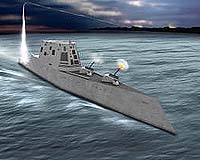
Raytheon Milestone Keeps Dual Band Radar On Track
Tewksbury MA (SPX) Oct 02, 2007 Raytheon has achieved a significant milestone in advancing the final development of the company's Dual Band Radar (DBR) for the U.S. Navy's Zumwalt Class destroyer. Raytheon Integrated Defense Systems (IDS) led the government-industry team in the successful installation of the Lockheed Martin Volume Search Radar (VSR) array at the Surface Warfare Engineering Facility at the Naval Base Ventura County, Port Hueneme, Calif. After extensive testing, Raytheon will integrate the VSR with the SPY-3 X- band Multi-Function Radar to form the advanced, highly capable DBR. The DBR is the U.S. Navy's most capable radar solution. The DBR for Zumwalt is two active, phased-array, multi-function radar subsystems that integrate X-band and S-band radar capabilities in a single configuration. It simultaneously supports self-defense/anti-air warfare, situational awareness, land attack, naval gunfire support, surface search, navigation and air traffic control. The DBR's innovative software design allows automatic operation with minimal human intervention. "The Dual Band Radar provides surveillance, target tracking and engagement support capabilities that are far superior to those of conventional single- band radars across all spectra of warfighting," said Ed Geisler, Raytheon's vice president of the Zumwalt program. "Moving forward with this milestone brings us closer to delivering this needed technology to the ship." Five months of extensive testing is set to begin, representing a critical step in testing the maturity of the S-band VSR technology prior to advancing to full system production. Raytheon's X-band, SPY-3 completed extensive land- based and at-sea tests with outstanding results over the last two years. Under the Navy's Detail Design and Integration contract awarded in 2005, Raytheon IDS serves as the prime mission systems equipment integrator for all electronic and combat systems for the Zumwalt-class destroyer program. Working together with the Navy and a team of industry leaders, IDS is leading the effort to transform the Navy's ship requirements to reality. For more information, visit here. Integrated Defense Systems is Raytheon's leader in Joint Battlespace Integration providing affordable, integrated solutions to a broad international and domestic customer base, including the U.S. Missile Defense Agency, the U.S. Armed Forces and the Department of Homeland Security. Community Email This Article Comment On This Article Related Links The latest in Military Technology for the 21st century at SpaceWar.com
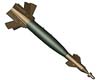
 Israel Air Force to Be Equipped With Elbit Systems Lizard Laser-Guided Bombs
 Haifa, Israel, September 30, 2007
Elbit Systems Ltd. has been selected to equip the Israel Air Force (IAF) with its Lizard laser-guided bombs. Contract value is several $Millions and the initial supply of the systems to the IAF has already begun. Lizard, a sophisticated new generation laser-guided bomb incorporates decades of Elbit Systems in-house technological expertise. The system which will be used for air-to-surface attack of diverse targets inflicts pinpoint damage while substantially reducing collateral damage. The current laser designator is designed for warheads of various sizes. |
|
|

| The content herein, unless otherwise known to be public domain, are Copyright 1995-2007 - SpaceDaily.AFP and UPI Wire Stories are copyright Agence France-Presse and United Press International. ESA Portal Reports are copyright European Space Agency. All NASA sourced material is public domain. Additional copyrights may apply in whole or part to other bona fide parties. Advertising does not imply endorsement,agreement or approval of any opinions, statements or information provided by SpaceDaily on any Web page published or hosted by SpaceDaily. Privacy Statement |