|
 |
 |
 |
 |
 |
 |
 |
 |

 |
Nanotech Safety Measures Need To Be Created
Washington (UPI) Dec 29, 2006 Safety experts said more planning is needed to ensure nanotechnology-safe workplaces across the United States in the future. Little is known about potential risks in many areas of nanotechnology, including worker exposures, said expert Andrew Maynard in an article published in Cleanroom Technology magazine. Maynard is the chief science adviser for Project on Emerging Nanotechnologies, sponsored by the Woodrow Wilson International Center for Scholars and The Pew Charitable Trusts. "Because nanotechnology is a way of doing or making things rather than a discrete technology, there will never be a one-solution-fits-all approach for nanotechnology and nanomaterials workplace safety," Maynard said. Maynard recommended the U.S. government invest at least $100 million over the next two years to fill "occupational safety knowledge gaps" in safe nanotechnology workplaces. Nanotechnology was incorporated into about $30 billion in manufactured goods, and experts predict that number will increase to $2.6 billion by 2014. These nantechnology-based products include computer chips, automobile parts, clothing and cosmetics. Nanotechnology works with things between 1 and 100 nanometers. A nanometer is 1-billionth of a meter. Community Email This Article Comment On This Article Related Links Nano Technology News From SpaceMart.com Nano Technology News From SpaceMart.com Computer Chip Architecture, Technology and Manufacture
 Scientists Learning To Create Nanomaterials Based On Micro-Algae Patterns
 Atlanta GA (SPX) Dec 08, 2006
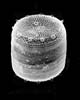
Researchers at the Georgia Institute of Technology have developed a technique to study how unicellular micro-algae, known as diatoms, create their complex cell walls. Researchers hope to learn how diatoms assemble these nanometer-patterned, intricate micro-architectures to find better methods for creating nanomaterials in the laboratory. |
|
|

| The content herein, unless otherwise known to be public domain, are Copyright 1995-2006 - SpaceDaily.AFP and UPI Wire Stories are copyright Agence France-Presse and United Press International. ESA PortalReports are copyright European Space Agency. All NASA sourced material is public domain. Additionalcopyrights may apply in whole or part to other bona fide parties. Advertising does not imply endorsement,agreement or approval of any opinions, statements or information provided by SpaceDaily on any Web page published or hosted by SpaceDaily. Privacy Statement |