|
 |
 |
 |
 |
 |
 |
 |
 |

 |
China emerging from shadows of AIDS pandemic
Geneva (AFP) May 30, 2006 China is emerging from the shadows of the AIDS pandemic by improving its accounting of the number of cases within the country, the UN agency spearheading the fight against the disease said Tuesday. An estimated 650,000 people in China had the HIV virus at the end of 2005, while 31,000 deaths due to AIDS have been recorded since the disease was first discovered there, UNAIDS said in its biennial snapshot of the global pandemic. Critics had feared the world's most populous nation could be a black hole in the global prevention and treatment effort, accusing authorities there of failing to acknowledge a spiralling epidemic driven by illicit drug use. "Not only is more data available, but the analysis of that data has also improved and has allowed us to come to an estimate that we are quite comfortable with", said Peter Ghys, manager of epidemic and impact monitoring at UNAIDS. The UNAIDS report said 45 percent of injecting drug users were being targeted by prevention programmes in China, and 25 percent of sex workers, highlighting the focus of official concern in the country. Just eight percent of male heterosexuals were being reached by prevention programmes in 2005. The official HIV prevalence rate of 0.1 percent in China compares with a rate of 0.9 percent in India -- the second-most populous nation -- where the epidemic is largely fuelled by unprotected heterosexual sex, according to the report. UNAIDS has reduced its estimate of HIV patients in China down to a range of between 390,000 and 1.1 million people. In its previous report two years ago the equivalent range was 430,000 to as many as 1.5 million people. But after refining its previous data as well, the report concluded that the prevalence rate was rising in China, as well as in neighbouring Vietnam. A quarter of those ill in China were receiving life-saving antiretroviral drugs -- above the Asian average of 16 percent, the report found. "The overlapping risks of injecting drug use and unprotected sex feature in several other epidemics in Asia", the report noted, citing Vietnam. HIV has now spread into all 59 Vietnamese provinces and all cities. HIV infections have doubled there in five years to affect 260,000 Vietnamese, the report said. About 40,000 people are being infected every year. But UNAIDS also gave signs of progress in southeast Asia. Thailand, once a focus of concern as the epidemic spiralled there in the 1990s mainly due to prostitution, now has an HIV prevalence rate of 1.6 percent, one-third lower than in the previous decade. Prevention efforts have borne fruit in Thailand as fewer men bought sex and condom use increased. However, the 580,000 people with HIV in Thailand include some 16,000 children, according to UNAIDS. And recent studies there have highlighted a growing number of HIV infections among women infected by their long-term partners -- one-third in 2005. Community Email This Article Comment On This Article Related Links Epidemics on Earth - Bird Flu, HIV/AIDS, Ebola
 UAB Researchers Discover HIV-1 Originated in Wild Chimpanzees
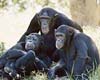 Birmingham AL (SPX) May 30, 2006
An international team of scientists, led by researchers at the University of Alabama at Birmingham (UAB), has discovered a crucial missing link in the search for the origin of HIV-1, the virus responsible for human AIDS. That missing link is the natural reservoir of the virus, which the team has found in wild-living chimpanzees in southern Cameroon. |
|
|

| The content herein, unless otherwise known to be public domain, are Copyright 1995-2006 - SpaceDaily.AFP and UPI Wire Stories are copyright Agence France-Presse and United Press International. ESA PortalReports are copyright European Space Agency. All NASA sourced material is public domain. Additionalcopyrights may apply in whole or part to other bona fide parties. Advertising does not imply endorsement,agreement or approval of any opinions, statements or information provided by SpaceDaily on any Web page published or hosted by SpaceDaily. Privacy Statement |