|
 |
 |
 |
 |
 |
 |
 |
 |

 |
Bacteria Give Up Secrets In War Waged On Plants
East Lansing MI (SPX) Jul 19, 2006 The secret weapon of bacteria -- the way they get a foothold in plants to launch an invasion -- is less of a secret, according to research published this week by Michigan State University scientists. Under study is the bacterial pathogen Pseudomonas syringae, better known as the disease agent of bacterial speck. The pathogen reared its speckled head in tomatoes, causing serious crop loss. Scientist Sheng Yang He describes using P. syringae in the laboratory plant Arabidopsis to get a better understanding of how bacteria set up camp and destroy the plant's ability to fight infection in the July 14 issue of Science Magazine. He is an MSU professor of plant biology, plant pathology, and microbiology and molecular genetics. The secret weapon: a bacterium's protein targets a plant protein that serves as a line of defense against illness, said Kinya Nomura, a researcher in He's lab and first author on the paper. "The bacteria targets and disables a plant's defense protein, so they can get in and multiply," Nomura said. "It's a very nice strategy for bacteria, very clever." The P. syringae virulence protein, called HopM1, has been the mechanism mystery. Plant diseases, ranging from bacterial speck in tomatoes and fire blight in apples and pears can devastate crops. Human bacterial pathogens use a similar basic principle to cause diseases. "Bacterial diseases are generally difficult to control," said He, who works in the MSU-Department of Energy Plant Research Laboratory. "Molecular studies such as this one may help develop novel disease control measures in the future." Community Email This Article Comment On This Article Related Links Michigan State University Darwin Today At TerraDaily.com
 Tyrannosaur Survivorship -- Tough Times For Teens
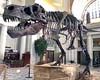 Edmonton, Canada (SPX) Jul 19, 2006
A massive dinosaur death bed in Alberta has helped map out the animal's life span and thrown doubt on long-held theories about how one species lived, says new research conducted in part at the University of Alberta. |
|
|

| The content herein, unless otherwise known to be public domain, are Copyright 1995-2006 - SpaceDaily.AFP and UPI Wire Stories are copyright Agence France-Presse and United Press International. ESA PortalReports are copyright European Space Agency. All NASA sourced material is public domain. Additionalcopyrights may apply in whole or part to other bona fide parties. Advertising does not imply endorsement,agreement or approval of any opinions, statements or information provided by SpaceDaily on any Web page published or hosted by SpaceDaily. Privacy Statement |