|
 |
 |
 |
 |
 |
 |
 |
 |

 |
US Concerned Over Iran Sharing Nuclear Technology
Ankara (AFP) Apr 25, 2006 US Secretary of State Condoleezza Rice said on Tuesday she was "concerned" at Iran's readiness to share its nuclear technology with other countries and urged the Islamic Republic to abide by international demands for a diplomatic resolution of the conflict. "We ... have to be concerned when there are statements from Iran, as there were apparently today, that Iran would not only have this technology but also would share its technology and expertise," Rice told reporters here after talks with her Turkish counterpart, Abdullah Gul. She was referring to comments by Iran's supreme leader Ayatollah Ali Khamenei that Tehran was ready to transfer its nuclear technology. Rice renewed calls on Iran to abide by its international obligations and said both Russia and European Union countries had made proposals to Iran that would provide it with civilian nuclear power. "This is about not allowing Iran to get the expertise and the technology to build a nuclear weapon, which Iranian leaders from time to time say they would gladly transfer to others," Rice said. Iran insists its nuclear programme is strictly peaceful but the United States and the EU suspect it is using the development of nuclear power as a cover for developing nuclear weapons. The United Nations Security Council has given Tehran until Friday to freeze uranium enrichment work as a "confidence-building measure" but the country's hardline leaders have refused to comply. Rice, who was greeted by anti-US demonstrations on her arrival here from Athens, said she had also discussed with Gul the problem of separatist Kurdish rebels using bases in northern Iraq to launch attacks on Turkey. She urged Ankara to refrain from unilateral action against the rebels and called for renewed cooperation between Washington, Baghdad and Ankara to implement measures against the outlawed Kurdistan Workers' Party (PKK), once the new Iraqi government takes office. "We agreed that we all have interests in making certain that the borders of Iraq are as secure as possible ... to make sure that Iraqi soil cannot be used as a base for terrorism," Rice said. "We share information and we will continue to be active in the future in helping with the PKK. But of course we want that anything we do contributes to the stability in Iraq and not threaten the stability or make a difficult situation worse," Rice said. "That is why a cooperative approach is very important." Gul said Ankara expected the US-led coalition forces in Iraq and the Baghdad administration to do more to eliminate the PKK, considered a terrorist organisation by both Ankara and Washington. "Because of the power vacuum in Iraq, the members of the terrorist organisation have virtually turned the north of the country into a training camp and thousands of militants are able to move around freely," Gul said. The Turkish army has recently increased troop numbers in areas bordering Iraq and Iran to intensify operations against rebels. Ankara says the rebels have been infiltrating southeast Turkey in growing numbers since the start of spring to engage in violent action on Turkish territory. The government says an estimated 5,000 PKK rebels have found refuge in northern Iraq since 1999, when the group proclaimed a unilateral ceasefire and withdrew from Turkish soil following the arrest of its leader, Abdullah Ocalan. Ankara has repeatedly urged the United States to crack down on PKK bases in northern Iraq but Washington says its troops are swamped by violence in other parts of the country. The issue has become increasingly important for Turkey because of escalating clashes between the PKK and the army in the southeast and a series of bomb attacks around the country that have been blamed on the group. Gul and Rice agreed to draw up a document setting the basis for stronger cooperation between the two NATO allies. Ties between them were seriously damaged by the Turkish parliament's refusal in 2003 to allow US troops to use Turkish territory to invade Iraq from the north.
Source: Agence France-Presse Community Email This Article Comment On This Article Related Links - Learn about nuclear weapons doctrine and defense at SpaceWar.com Learn about missile defense at SpaceWar.com All about missiles at SpaceWar.com Learn about the Superpowers of the 21st Century at SpaceWar.com
 Iran Threatens To Hide Nuclear Program
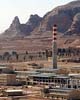 Tehran (AFP) Apr 25, 2006
Iran warned Tuesday it will sever relations with the UN atomic watchdog if sanctions are imposed over its nuclear drive and vowed a military attack would merely send its activities underground. |
|
|

| The content herein, unless otherwise known to be public domain, are Copyright 1995-2006 - SpaceDaily.AFP and UPI Wire Stories are copyright Agence France-Presse and United Press International. ESA PortalReports are copyright European Space Agency. All NASA sourced material is public domain. Additionalcopyrights may apply in whole or part to other bona fide parties. Advertising does not imply endorsement,agreement or approval of any opinions, statements or information provided by SpaceDaily on any Web page published or hosted by SpaceDaily. Privacy Statement |