|
 |
 |
 |
 |
 |
 |
 |
 |

 |
The Perseid Meteor Shower Is Here!
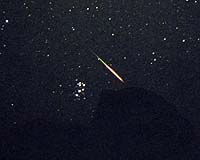
Huntsville AL (SPX) Aug 11, 2005 Got a calendar? Circle this date: Friday, August 12th. Next to the circle write "before sunrise" and "Meteors!" Attach all of the above to your refrigerator in plain view so you won't miss the 2005 Perseid meteor shower. The Perseids come every year, beginning in late July and stretching into August. Sky watchers outdoors at the right time can see colorful fireballs, occasional outbursts and, almost always, long hours of gracefully streaking meteors. Among the many nights of the shower, there is always one night that is best. This year: August 12th. The source of the shower is Comet Swift-Tuttle. Although the comet is nowhere near Earth, the comet's wide tail does intersect Earth's orbit. We glide through it every year in July and August. Tiny bits of comet dust hit Earth's atmosphere traveling 132,000 mph. At that speed, even a tiny smidgen of dust makes a vivid streak of light - a meteor - when it disintegrates. The shower is most intense when Earth is in the dustiest part of the tail. Perseid meteors fly out of the constellation Perseus, hence their name. The best time to watch is during the hours before sunrise when Perseus is high in the sky: sky map. Between 2 a.m. and dawn on August 12th, if you get away from city lights, you could see hundreds of meteors. Scouts, this is a good time to go camping! Really, it could hardly be better. The Perseids come on a warm summer night. (Note: This is a northern hemisphere shower.) Other familiar meteor showers like the Leonids of November require a parka to enjoy. All you need for Perseids are light pajamas. And there's a bonus: Mars. In the constellation Aries, right beside Perseus, Mars is shining like a bright red star. Step outside before sunrise, look east, and you'll find you have a hard time taking your eyes off Mars. There's something bewitching about it, maybe the red color or perhaps the fact that it doesn't twinkle like a true star. It's steady. You stare at Mars and it stares right back. Earth and Mars are converging for a close encounter on October 30th. Consider August 12th a preview. Mars already outshines every star in the night sky, and it's getting brighter every night. If you like August, you'll love October. And you will like August. Picture this: It's four in the morning. The sky is dark. The breeze is pleasant. Mars is beaming down from the east while meteors flit across the sky. Maybe you should go circle the calendar again. Community Email This Article Comment On This Article Related Links SpaceDaily Search SpaceDaily Subscribe To SpaceDaily Express Asteroid and Comet Mission News, Science and Technology
 NASA'S Spitzer Finds Possible Comet Dust Around Dead Star
 Pasadena CA (SPX) Jan 12, 2006
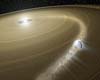
NASA's Spitzer Space Telescope has spotted what may be comet dust sprinkled around the white dwarf star G29-38, which died approximately 500 million years ago. |
|
|

| The content herein, unless otherwise known to be public domain, are Copyright 1995-2006 - SpaceDaily.AFP and UPI Wire Stories are copyright Agence France-Presse and United Press International. ESA PortalReports are copyright European Space Agency. All NASA sourced material is public domain. Additionalcopyrights may apply in whole or part to other bona fide parties. Advertising does not imply endorsement,agreement or approval of any opinions, statements or information provided by SpaceDaily on any Web page published or hosted by SpaceDaily. Privacy Statement |