
 |
 |
 |
 |
 |
 |
 |
 |
 |

 |
Study: Falling icebergs harming ecosystem
Cambridge, England (UPI) Jul 18, 2008 Scientists in Britain have discovered a new global warming threat to marine life in Antarctica -- breakaway icebergs that destroy any life in their path. Shallow habitats of species such as giant sea spiders, Antarctic worms, sea urchins and corals face growing risk from icebergs as they tear up the sea floor, The Times of London reported Friday. The findings indicate climate change risks go beyond rising ocean temperatures, the British Antarctic Survey team said. Although near-shore ecosystems routinely take a pounding by icebergs, the destruction rate is rising as a warmer climate shrinks the winter sea ice that otherwise contain the icebergs. "The whole balance of the ecosystem could be affected, with consequences that are very difficult to predict," said Dan Smale, who led the study for the Cambridge institution. "The focus of research has all been on rising temperatures, but what has been overlooked is that it isn't just warming of the water that changes the structure of the ecosystem. The distribution of species is likely to be just as important, and that is going to be affected by iceberg (breakaways)." Findings of the five-year study, conducted at South Cove on the Antarctic Peninsula, were published in the journal Science. Community Email This Article Comment On This Article Share This Article With Planet Earth
Related Links Beyond the Ice Age
 Antarctic Icebergs Act As Hotspots Of Ocean Life
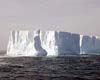 Monterey Bay CA (SPX) Jun 22, 2007
Global climate change is causing Antarctic ice shelves to shrink and split apart, yielding thousands of free-drifting icebergs in the nearby Weddell Sea. According to a new study in this week's journal Science these floating islands of ice - some as large as a dozen miles across - are having a major impact on the ecology of the ocean around them, serving as "hotspots" for ocean life, with thriving communities of seabirds above and a web of phytoplankton, krill, and fish below. |
|
|

| The content herein, unless otherwise known to be public domain, are Copyright 1995-2007 - SpaceDaily.AFP and UPI Wire Stories are copyright Agence France-Presse and United Press International. ESA Portal Reports are copyright European Space Agency. All NASA sourced material is public domain. Additional copyrights may apply in whole or part to other bona fide parties. Advertising does not imply endorsement,agreement or approval of any opinions, statements or information provided by SpaceDaily on any Web page published or hosted by SpaceDaily. Privacy Statement |
 del.icio.us
 Digg
Digg Reddit
 YahooMyWeb
 Google
 Facebook