
 |
 |
 |
 |
 |
 |
 |
 |
 |

 |
Spire Receives Develops Microcrack Detection Technique PV Cells And Wafers
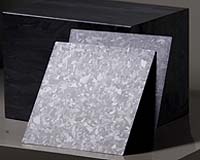
Bedford MA (SPX) Nov 06, 2008 Spire has announced that it has received a contract from the United States Department of Energy (DOE) to develop a microcrack detection technique for silicon solar cells and wafers. This automated diagnostic system will enable solar cell and module manufacturers to significantly reduce the cost and improve the reliability of their PV modules. Both mono- and multi-crystalline solar cells and wafers occasionally contain microcracks that are difficult or impossible to detect by visual inspection. These cracks can propagate during module assembly or after installation, resulting in cell breakage and module power loss. Spire will investigate a microcrack detection technique that can be used as an in-process diagnostic method for identifying defective crystalline silicon wafers or solar cells in a production line. This new diagnostic capability will enable solar cell and module manufacturers to reduce labor requirements for inspection and rework, increase production yields, and improve module reliability and lifetime in the field. Upon successful demonstration of the crack detection technology, it will be engineered into Spire's production cell test, cell string, and assembly equipment. Community Email This Article Comment On This Article Share This Article With Planet Earth
Related Links Spire All About Solar Energy at SolarDaily.com
 Suniva Begins Production Of High Efficiency Solar Cells
 Atlanta GA (SPX) Nov 06, 2008
Suniva has announced that in less than 12 months after the initial planning it successfully began production of solar cells on its new 32MWp line in Norcross, Georgia. |
|
|

| The content herein, unless otherwise known to be public domain, are Copyright 1995-2007 - SpaceDaily.AFP and UPI Wire Stories are copyright Agence France-Presse and United Press International. ESA Portal Reports are copyright European Space Agency. All NASA sourced material is public domain. Additional copyrights may apply in whole or part to other bona fide parties. Advertising does not imply endorsement,agreement or approval of any opinions, statements or information provided by SpaceDaily on any Web page published or hosted by SpaceDaily. Privacy Statement |
 del.icio.us
 Digg
Digg Reddit
 YahooMyWeb
 Google
 Facebook