|
 |
 |
 |
 |
 |
 |
 |
 |

 |
Researchers Urge Ethics Guidelines For Human-Genome Research
Edmonton, Canada (SPX) Mar 28, 2008 A global team of legal, scientific and ethics experts have put forward eight key recommendations to establish much needed guidelines for conducting human-genome sequencing research. Timothy Caulfield, professor and research director of the Health Law Institute at the University of Alberta in Canada, led a consensus workshop to develop rigorous guideline recommendations for research ethics boards. The results appear in the current issue of PLOS Biology (March 2008). Researchers met to develop these recommendations because national and international funding initiatives have substantially increased whole-gene research activities, and media coverage of both the science and the emerging commercial offerings related to human-genome research has heightened public awareness and interest in personal genomics, says Caulfield. "Yes, these are early days in the field of human-genome research, but research ethics guidance is needed immediately," said Caulfield. "With how fast this research is growing, it is necessary that we develop carefully considered consensus guidelines to ensure ethical research practices are defined for all." Some key recommendations of the paper include the right for participants to withdraw consent (which includes the destruction of tissue samples and written information); the issues associated with participants' family members and relevant groups; and the means of obtaining clear consent from participants for possible future use of their genes. "As technology continues to advance, whole-genome research activities seem likely to increase and expand," says Caulfield. "As the pace of this research intensifies, we need to continue to explore the ethical, legal and social implications of this rapidly evolving field." The researchers note that the policy recommendations covered in the report are not the only issues that need to be considered. Commercialization, patenting, benefit sharing and the possibility of genetic discrimination are among other topics that warrant discussion in the future. Community Email This Article Comment On This Article Related Links University of Alberta All About Human Beings and How We Got To Be Here
 Upright Walking Began 6 Million Years Ago
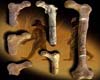 Stony Brook NY (SPX) Mar 27, 2008
A shape comparison of the most complete fossil femur (thigh bone) of one of the earliest known pre-humans, or hominins, with the femora of living apes, modern humans and other fossils, indicates the earliest form of bipedalism occurred at least six million years ago and persisted for at least four million years. |
|
|

| The content herein, unless otherwise known to be public domain, are Copyright 1995-2007 - SpaceDaily.AFP and UPI Wire Stories are copyright Agence France-Presse and United Press International. ESA Portal Reports are copyright European Space Agency. All NASA sourced material is public domain. Additional copyrights may apply in whole or part to other bona fide parties. Advertising does not imply endorsement,agreement or approval of any opinions, statements or information provided by SpaceDaily on any Web page published or hosted by SpaceDaily. Privacy Statement |