|
 |
 |
 |
 |
 |
 |
 |
 |

 |
Raytheon Wins Contract For Advanced Medium-Range Air-to-Air Missiles
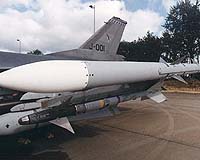
Tucson AZ (SPX) Apr 07, 2005 Raytheon has received a $200 million contract from the U.S. Air Force for continued production of the AIM-120 Advanced Medium-Range Air-to-Air missile (AMRAAM). The contract, originally announced by the Department of Defense on Dec. 22, 2004, includes 434 AMRAAMs. "This contract award demonstrates a continued resolve to insure world-wide air dominance for the United States military. I am extremely proud of the AMRAAM team's accomplishments in providing the U.S. warfighter and our allies with the world's finest beyond visual range (BVR) missile," said Air Force AMRAAM Program Director Thomas Robillard. Brock McCaman, acting vice president of Raytheon Missile Systems' Air-to-Air product line, added, "Delivering quick, affordable and effective solutions to our warfighters is what we're about. With teamwork, the application of Raytheon Six Sigma, and continued focus on leading edge technologies, our objective is to keep AMRAAM the global standard for air dominance." AMRAAM is a joint U.S. Air Force and Navy program. Work will be performed at Raytheon Missile Systems in Tucson, Ariz., and is to be completed by the end of 2007. AMRAAM sets the global beyond-visual-range standard. Twenty-eight countries have procured AMRAAM. AMRAAM's incorporation of the latest digital technology and microminiaturized solid-state electronics make this remarkable weapon more reliable and maintainable, resulting in the highest dependability at the lowest cost of ownership. AMRAAM's unprecedented air combat flexibility, including its multi-shot capability, provides pilots the ability to launch at an enemy aircraft day or night, in all weather. In beyond-visual-range engagements, AMRAAM is guided initially by its inertial reference unit and microcomputer. During midcourse flight, AMRAAM receives target location updating directly from the launch aircraft radar system. In the terminal phase of flight, without further reliance on the launching system, the internal active radar seeker independently guides the missile. AMRAAM's autonomous guidance capability provides the pilot with critical range-preserving launch and leave capability which substantially improves the pilot's survivability. AMRAAM has also demonstrated equally outstanding performance in the surface-to-air role. Community Email This Article Comment On This Article Related Links Raytheon SpaceDaily Search SpaceDaily Subscribe To SpaceDaily Express Learn about missile defense at SpaceWar.com All about missiles at SpaceWar.com
 Northrop Grumman Wins Contract For Target And Space-Launch Missile Work
 Reston VA (SPX) Jan 12, 2006
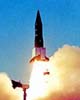
Northrop Grumman has been awarded a follow-on contract to provide technical support to the U.S. Air Force's Rocket Systems Launch Program (RSLP). |
|
|

| The content herein, unless otherwise known to be public domain, are Copyright 1995-2006 - SpaceDaily.AFP and UPI Wire Stories are copyright Agence France-Presse and United Press International. ESA PortalReports are copyright European Space Agency. All NASA sourced material is public domain. Additionalcopyrights may apply in whole or part to other bona fide parties. Advertising does not imply endorsement,agreement or approval of any opinions, statements or information provided by SpaceDaily on any Web page published or hosted by SpaceDaily. Privacy Statement |