|
 |
 |
 |
 |
 |
 |
 |
 |

 |
Raytheon Unveils New Bunker-Busting Technology
Tucson AZ (SPX) Mar 13, 2008 Raytheon has developed and tested a new conventional warhead technology to defeat hardened and deeply buried bunkers. The new technology, called Tandem Warhead System, consists of a shaped-charge precursor warhead combined with a follow- through penetrator explosive charge. During a Jan. 31 test, the newly developed 1,000-pound-class warhead set a record when it punched through 19 feet, 3 inches of a 20-foot, 330-ton, steel rod-reinforced concrete block rated at 12,600 pounds per square inch compressive strength. In fewer than 10 milliseconds, the explosion delivered into the target more than 110 million foot-pounds of energy via a high- velocity jet of molten metal. Raytheon's large shape-charged test was the first against a target built to withstand more than 10,000 psi. Most conventional weapons in the same weight class as Raytheon's precursor warhead cannot penetrate targets rated at more than 6,000 psi. "Bunkers are getting harder and deeper, and high-value ones are extremely well protected," said Harry Schulte, Missile Systems' vice president, Strike product line. "The warfighter has a need for increased capabilities against this challenging target set, but because conventional warheads in the inventory can't meet this requirement, Raytheon self-funded the development of this new warhead." According to Schulte, innovative engineering techniques enabled Raytheon's engineers to take the warhead from the drawing board to the proving grounds in fewer than nine months. "Now that we've demonstrated it's possible to create a conventional warhead that weighs approximately 1,000 pounds and provides unmatched capability, we're looking at scaling the technology," Schulte said. "We believe we can place a warhead that uses this new technology on any strike weapon system in the inventory in 18 months or less." Raytheon engineers believe Tandem Warhead System, which is lighter and more powerful than current conventional systems, is suited for weapons with long standoff range and greater survivability against enemy threats. Community Email This Article Comment On This Article Related Links The latest in Military Technology for the 21st century at SpaceWar.com
 DRS Tech Gets Contract To Supply Marine Corps With Rugged Tablet Computers
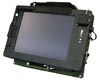 Parsippany NJ (SPX) Jul 10, 2007
DRS Technologies has received a $5 million award as part of a previous contract to provide military rugged tablet (MRT) computers and peripheral equipment for the U.S. Marine Corps' Target Location Designation Handoff System (TLDHS) program. DRS received the order from Stauder Technologies in St. Peters, Missouri. For this contract the company's DRS Tactical Systems business unit in Melbourne, Florida, will produce hundreds of the handheld MRT computers and peripheral equipment. |
|
|

| The content herein, unless otherwise known to be public domain, are Copyright 1995-2007 - SpaceDaily.AFP and UPI Wire Stories are copyright Agence France-Presse and United Press International. ESA Portal Reports are copyright European Space Agency. All NASA sourced material is public domain. Additional copyrights may apply in whole or part to other bona fide parties. Advertising does not imply endorsement,agreement or approval of any opinions, statements or information provided by SpaceDaily on any Web page published or hosted by SpaceDaily. Privacy Statement |