
 |
 |
 |
 |
 |
 |
 |
 |
 |

 |
Over 50 Percent Of Oceanic Shark Species Threatened With Extinction
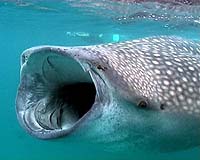
Washington DC (SPX) May 28, 2008 The first study to determine the global threat status of 21 species of wide-ranging oceanic pelagic sharks and rays reveals serious overfishing and recommends key steps that governments can take to safeguard populations. These findings and recommendations for action are published in the latest edition of Aquatic Conservation: Marine and Freshwater Ecosystems. This international study, organised by the IUCN Shark Specialist Group (SSG), was conducted by 15 scientists from 13 different research institutes around the world, with additional contributions from scores of other SSG members. The experts determined that 16 out of the 21 oceanic shark and ray species that are caught in high seas fisheries are at heightened risk of extinction due primarily to targeted fishing for valuable fins and meat as well as indirect take in other fisheries. In most cases, these catches are unregulated and unsustainable. The increasing demand for the delicacy 'shark fin soup', driven by rapidly growing Asian economies, means that often the valuable shark fins are retained and the carcasses discarded. Frequently, discarded sharks and rays are not even recorded. Sharks and rays are particularly vulnerable to overfishing due to their tendency to take many years to become sexually mature and have relatively few offspring. "Fishery managers and regional, national and international officials have the opportunity and the obligation to halt and reverse the rate of loss of biodiversity and ensure sharks and rays are exploited sustainably." says lead author Nicholas Dulvy from the Centre for Environment, Fishers and Aquaculture Science, Lowestoft Laboratory in Lowestoft, UK. "The current rate of biodiversity loss is ten to a hundred times greater than historic extinction rates, and as humans make increasing use of ocean resources it is possible that many more aquatic species, particularly sharks, are coming under threat," says Dulvy, now based at Simon Fraser University, Vancouver. "This does not have to be an inevitability. With sufficient public support and resulting political will, we can turn the tide." - The group's specific recommendations for governments address the need to: - Establish and enforce science-based catch limits for sharks and rays - Ensure an end to shark finning (removing fins and discarding bodies at sea) - Improve the monitoring of fisheries taking sharks and rays - Invest in shark and ray research and population assessment - Minimize incidental catch ('bycatch') of sharks and rays - Cooperate with other countries to conserve shared populations. "The traditional view of oceanic sharks and rays as fast and powerful too often leads to a misperception that they are resilient to fishing pressure," said Sonja Fordham, co-author of the paper and Deputy Chair, IUCN Shark Specialist Group and Policy Director, Shark Alliance. "Despite mounting evidence of decline and increasing threats to these species, there are no international catch limits for oceanic sharks. Our research shows that action is urgently needed on a global level if these fisheries are to be sustainable." Community Email This Article Comment On This Article Share This Article With Planet Earth
Related Links the missing link Darwin Today At TerraDaily.com
 Scientists Reveal The Lifestyle Evolution Of Wild Marine Bacteria
 Boston MA (SPX) May 28, 2008
Marine bacteria in the wild organize into professions or lifestyle groups that partition many resources rather than competing for them, so that microbes with one lifestyle, such as free-floating cells, flourish in proximity with closely related microbes that may spend life attached to zooplankton or algae. |
|
|

| The content herein, unless otherwise known to be public domain, are Copyright 1995-2007 - SpaceDaily.AFP and UPI Wire Stories are copyright Agence France-Presse and United Press International. ESA Portal Reports are copyright European Space Agency. All NASA sourced material is public domain. Additional copyrights may apply in whole or part to other bona fide parties. Advertising does not imply endorsement,agreement or approval of any opinions, statements or information provided by SpaceDaily on any Web page published or hosted by SpaceDaily. Privacy Statement |
 del.icio.us
 Digg
Digg Reddit
 YahooMyWeb
 Google
 Facebook