
 |
 |
 |
 |
 |
 |
 |
 |
 |

 |
Outside View: Iraq realities -- Part 2
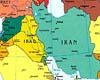
Washington (UPI) Jun 30, 2008 The suppression of violence and the reduction in U.S. casualties in Iraq over the past year and a half was not U.S. Ambassador Ryan Crocker's or U.S. Army Gen. David Petraeus' accomplishment. It was achieved by the Islamic Republic of Iran. Even worse, the much celebrated "cash for cooperation policy" implemented by Petraeus in the spring of 2007, which currently pays 90,000 of Iraq's Sunni Arab insurgents nearly $300 million a year not to shoot at U.S. forces, is simply the latest chapter in a sad history of reinforcing Iranian strategic dominance by hardening the division of Arab Iraq into Sunni and Shiite states. It takes little imagination to see that Petraeus and Crocker are presiding over the division of Iraq into a small, impoverished Sunni area, a large, potentially oil-rich Kurdistan and an equally oil-rich Shiite-dominated state encompassing nine of Iraq's largest provinces. This is a strategic outcome that will dramatically extend Iran's influence inside Iraq and across the Middle East. The danger, of course, is that the Bush administration might begin a new war to reverse Iranian strategic influence in Iraq -- influence that our generals and political leaders unwittingly aided and supported. But this would be pointless. Nothing helps suppress the Iranian theocracy's very real internal opposition as does the present U.S. policy of regime overthrow, isolation, demonization and confrontation. A wiser U.S. policy demands an understanding of popular dissatisfaction inside Iran with the terrible mismanagement of Iran's energy sector and economy. This understanding should lead to constructive diplomatic engagement, with the goal of extracting concessions the United States needs. Of course, engagement must also involve prospects for economic cooperation, a carefully programmed end to sanctions, as well as technical assistance for, and joint ventures with, Iran's ailing energy sector. Negotiating with an Iranian leadership that has one foot in the seminary and the other in the bazaar will not be easy, but it is more likely to succeed than brute force. Whether the United States likes it or not, thanks to culture and history, other than Turkey, Iran is the only state in the region with the tradition, confidence, assertiveness and sense of destiny to be a major player in the Middle East. Meanwhile, America should end the travesty of securing Iraq for Iran and swiftly withdraw its troops, remembering that in the absence of a U.S. military presence in Iraq, Iran will quickly supplant the United States as the Arabs' pre-eminent strategic concern. (Douglas Macgregor is a former U.S. Army colonel and a decorated Gulf War combat veteran. He has authored three books on modern warfare and military reform. His latest is "Transformation Under Fire: Revolutionizing the Way America Fights." He writes here for the Straus Military Reform Project at the Center for Defense Information in Washington.) (United Press International's "Outside View" commentaries are written by outside contributors who specialize in a variety of important issues. The views expressed do not necessarily reflect those of United Press International. In the interests of creating an open forum, original submissions are invited.) Community Email This Article Comment On This Article Share This Article With Planet Earth
Related Links Iraq: The first technology war of the 21st century
 Outside View: Iraq realities -- Part 1
 Washington (UPI) Jun 27, 2008
 In his famous work "The Peloponnesian Wars," written more than 2,000 years ago, the classical Greek historian Thucydides argued that states go to war for one or all of three reasons. States fight against threats. States fight for profit. Or, states fight for honor. (Douglas Macgregor is a former U.S. Army colonel and a decorated Gulf War combat veteran. He has authored three books on modern warfare and military reform. His latest is "Transformation Under Fire: Revolutionizing the Way America Fights." He writes here for the Straus Military Reform Project at the Center for Defense Information in Washington.) |
|
|

| The content herein, unless otherwise known to be public domain, are Copyright 1995-2007 - SpaceDaily.AFP and UPI Wire Stories are copyright Agence France-Presse and United Press International. ESA Portal Reports are copyright European Space Agency. All NASA sourced material is public domain. Additional copyrights may apply in whole or part to other bona fide parties. Advertising does not imply endorsement,agreement or approval of any opinions, statements or information provided by SpaceDaily on any Web page published or hosted by SpaceDaily. Privacy Statement |
 del.icio.us
 Digg
Digg Reddit
 YahooMyWeb
 Google
 Facebook