
 |
 |
 |
 |
 |
 |
 |
 |
 |

 |
Off-peak electricity could power hybrids
Richland, Wash. (UPI) Jul 14, 2008 Off-peak electricity production could fuel 70 percent of the 220 million vehicles on U.S. roads if they were plug-in hybrid electrics, a study found. The study, performed for the U.S. Department of Energy's Pacific Northwest National Laboratory in Richland, Wash., indicates replacing vehicles solely powered by gasoline engines with hybrids powered by off-peak electricity could improve air quality by using existing infrastructure more efficiently, the laboratory said in a news release Monday. Batteries for plug-in hybrid electric vehicles could store enough energy to meet the nation's 33-mile average commute, researchers said. If drivers charged vehicles overnight when demand for electricity is low, most regions of the country would have plenty of off-peak generation, transmission and distribution capacity to handle that region's hybrid vehicles. "Since gasoline consumption accounts for 73 percent of imported oil, it is intriguing to think of the national security benefits if our vehicles switched from oil to electrons," lab energy researcher Rob Pratt said. The extra electricity needed to power the vehicles would come from coal-fired and natural gas-fired plants, researchers said. While these power plants emit greenhouse gases, overall levels would drop because electricity is more efficient to move a vehicle one mile than producing and burning gasoline. Community Email This Article Comment On This Article Share This Article With Planet Earth
Related Links Car Technology at SpaceMart.com
 Future Of Transit Taking Shape At The Big Blue Bus
 Santa Monica CA (SPX) Jul 15, 2008
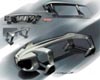
What should buses look and ride like in 2050? Some compelling, out-of-the-box, eco-friendly and even unorthodox answers to that question are emerging via a talented team of designers from one of the most advanced and influential transportation design schools in the world who, in tandem with Santa Monica's Big Blue Bus, are taking part in a project to create a 'big picture" vision of the next generation of transit. |
|
|

| The content herein, unless otherwise known to be public domain, are Copyright 1995-2007 - SpaceDaily.AFP and UPI Wire Stories are copyright Agence France-Presse and United Press International. ESA Portal Reports are copyright European Space Agency. All NASA sourced material is public domain. Additional copyrights may apply in whole or part to other bona fide parties. Advertising does not imply endorsement,agreement or approval of any opinions, statements or information provided by SpaceDaily on any Web page published or hosted by SpaceDaily. Privacy Statement |
 del.icio.us
 Digg
Digg Reddit
 YahooMyWeb
 Google
 Facebook