|
 |
 |
 |
 |
 |
 |
 |
 |

 |
NASA Selects Exploration Systems Proposals
Washington (SPX) Nov 16, 2004 NASA's Exploration Systems Mission Directorate (ESMD) selected 70 proposals to support the research and technology goals and objectives of the Vision for Space Exploration. The total value of the work is more than $1 billion through fiscal year 2009. ESMD is responsible for creating capabilities, supporting research and technologies that will enable sustainable and affordable human and robotic exploration beyond low Earth orbit. "The innovative concepts and ideas set forth in these proposals will develop key technologies necessary to implement the Vision for Space Exploration," said Exploration Systems Directorate Associate Administrator Craig E. Steidle. The selection was made in response to a Broad Agency Announcement, one of several steps being taken by NASA to develop new partnerships with industry and academia. More than 3700 Notices of Intent were submitted to NASA, evaluated, and subjected to an integrated review across project areas. Submissions to the announcement follow a rigorous process to ensure timely and objective evaluation of their relevance, technical quality, cost, resources, planning, and socioeconomic merits. The field was narrowed from 485 full proposal submissions. The proposals support these Exploration Systems Research and Technology Programs: Advanced Space Technology, Technology Maturation, and Innovative Partnerships. Initially used by DOD to determine the necessities of an operational capability, the announcements are used by ESMD to encourage interaction with both academia and companies in pursuit of innovations that may have profound impact on NASA and the nation. Community Email This Article Comment On This Article Related Links SpaceDaily Search SpaceDaily Subscribe To SpaceDaily Express Space Tourism, Space Transport and Space Exploration News
 NASA Refines Design For Crew Exploration Vehicle
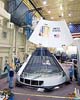 Washington DC (SPX) Jan 12, 2006
NASA's Constellation Program is making progress toward selecting a prime contractor to design, develop and build the Crew Exploration Vehicle (CEV), America's first new human spacecraft in 30 years. |
|
|

| The content herein, unless otherwise known to be public domain, are Copyright 1995-2006 - SpaceDaily.AFP and UPI Wire Stories are copyright Agence France-Presse and United Press International. ESA PortalReports are copyright European Space Agency. All NASA sourced material is public domain. Additionalcopyrights may apply in whole or part to other bona fide parties. Advertising does not imply endorsement,agreement or approval of any opinions, statements or information provided by SpaceDaily on any Web page published or hosted by SpaceDaily. Privacy Statement |