|
 |
 |
 |
 |
 |
 |
 |
 |

 |
NASA Satellite Data To Aid Global Conservation
Washington DC (SPX) Nov 19, 2004 NASA and IUCN - The World Conservation Union, the world's largest environmental knowledge network, signed a joint declaration today in Bangkok, Thailand, to use NASA satellite data to help in worldwide conservation efforts. The purpose of the joint declaration is to improve IUCN access to NASA data, technology, images and remote sensing products. IUCN members and commissions will incorporate the data to help improve the quality and effectiveness of environmental decision-making and to improve conservation outcomes. "This opportunity for NASA to help advance conservation efforts globally reinforces our vision to use our unique vantage from space to improve life here on Earth," said NASA's Deputy Associate Administrator for Science Ghassem Asrar. "Modern environmental and conservation decision-support systems need access to good information. Increasingly, these systems are using geospatial technologies to provide decision-makers with a range of possible options and, in the future, could be used to predict possible outcomes," he said. IUCN is a unique union of more than 1,000 worldwide member organizations. Its mission is to influence, encourage and assist societies throughout the world to conserve the integrity and diversity of nature and to ensure any use of natural resources is equitable and ecologically sustainable. "The potential for the beneficial use of this information in the area of the environment and conservation is enormous," said IUCN Director General Achim Steiner. "Yet until now, it has remained largely untapped, particularly in the developing world," he added. Advances in technology have made NASA's remote sensing data and images accessible and affordable worldwide by most organizations. IUCN has unparalleled access to a rich source of conservation information and knowledge. Its global membership ranges from small community-based nongovernmental organizations to large scientific institutions, government agencies and states, in both the developed and developing world. This declaration is a critical first step in joining NASA's world-class expertise, data and information resources with IUCN's environment and conservation expertise, and its unique global knowledge network. NASA satellite data will be used in several IUCN support systems for conservation, including the Species Information Service, Protected Areas Learning Network (PALNet) and the World Database on Protected Areas (WDPA). IUCN's Species Information Service is a worldwide biodiversity and conservation management tool that includes its Red List of Threatened Species, the world's most authoritative assessment of the conservation status of animals and plants. NASA will help IUCN develop this globally accessible, biodiversity database. PALNet and the WDPA also will benefit from NASA data. Many of the world's 100,000 protected areas are poorly mapped, due to inaccessibility and lack of resources. NASA's satellite imagery will enable creation of accurate maps. In addition, the data will help create a "Protected Area Archive," which will be incorporated into PALNet and WDPA projects. NASA data will also be provided under the IUCN Conservation Commons Initiative on sharing environmental knowledge. NASA is committed to sharing information and data with the general public. The agency is working with some 40 other global and regional partners to define and implement this innovative knowledge-sharing initiative. Community Email This Article Comment On This Article Related Links IUCN SpaceDaily Search SpaceDaily Subscribe To SpaceDaily Express Earth Observation News - Suppiliers, Technology and Application
 New Legislation Initiated To Support Commercial Remote Sensing Industry
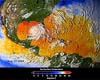 New York NY (SPX) Jan 11, 2006
The importance of remotely sensed data and technologies to support natural disasters has prompted attention and action in Washington. New initiatives and legislation authorizing appropriations to the remote sensing industry will be discussed at Strategic Research Institute's U.S. Commercial Remote Sensing Industry conference, scheduled for February 9-10, 2006 in Washington D.C. |
|
|

| The content herein, unless otherwise known to be public domain, are Copyright 1995-2006 - SpaceDaily.AFP and UPI Wire Stories are copyright Agence France-Presse and United Press International. ESA PortalReports are copyright European Space Agency. All NASA sourced material is public domain. Additionalcopyrights may apply in whole or part to other bona fide parties. Advertising does not imply endorsement,agreement or approval of any opinions, statements or information provided by SpaceDaily on any Web page published or hosted by SpaceDaily. Privacy Statement |