|
 |
 |
 |
 |
 |
 |
 |
 |

 |
NASA Nanotechnology Comes To Market
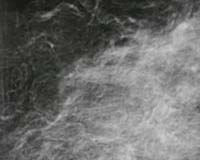
Greenbelt MD (SPX) Nov 21, 2006 Finding affordable ways to make technology available to everyone is a common challenge. Now, NASA has done that with the process that creates "nanotubes." A nanotube is a tiny, hollow, long, thin and strong tube with an outside diameter of a nanometer that is formed from atoms such as carbon. A hair from a person's head is around 50,000 nanometers wide. If you split a hair into 50,000 strands, that would be the width of a nanometer. Nanotubes are really important in technology, because when they are made a certain way, a nanotube can conduct (allow movement of) electricity as well as copper does. When they are made a slightly different way, nanotubes are electrical semiconductors, which mean they can be switched between insulating from electricity to conducting electricity. Semiconductors make it possible to miniaturize electronic components. Nanotubes can be either semiconductors or conductors depending on how they are made. Nanotubes are also stronger than steel, so long filaments can be used to create super-tough lightweight materials. To understand how strong a nanotube is, think of a hair holding up a barbell. Although the carbon nanotubes were discovered 15 years ago, their use has been limited due to the complex, dangerous, and expensive methods for their production. However, researchers Drs. Jeannette Benavides and Henning Leidecker at NASA's Goddard Space Flight Center, Greenbelt, Md., developed a simpler, safer, and much less costly process to make these carbon nanotubes. The key was that they figured out how to produce bundles of these nanotubes without using metal, which reduced the costs tremendously and made a better quality product. Earlier this year, NASA licensed its patented technique for manufacturing these high-quality "single-walled carbon nanotubes" to Idaho Space Materials (ISM) in Boise, Idaho. Now the carbon nanotubes based on this creation process are being used by researchers and companies that are working on things that will impact almost every facet of life, such as new materials with ceramics and polymers. Polymers are tiny molecules strung in long repeating chains, like DNA in our bodies. Polymers are also in proteins and starches in foods we eat, or in plastics, for example. "ISM believes that carbon nanotubes will be a building block for a better world, making people's lives better through a wide range of uses, including medical advances, fuel cells, video displays, solar cells, and a host of other applications," explained ISM vice president Roger Smith. "I'm very excited to see that this agreement is now making carbon nanotubes more readily available, particularly for academic and other research programs," said Dr. Benavides, who demonstrated the technology to ISM and provided expertise during process to make the technology come to market. "The fact that they now have access to lower cost carbon nanotubes [means great things] for the future of nanotechnology." The sharing of this technology was made possible by the efforts of NASA's Innovative Partnerships Program, which helps form partnerships between NASA and industry, educational organizations, and other government agencies to support the space program. Community Email This Article Comment On This Article Related Links NASA Goddard Space Flight Center Nano Technology News From SpaceMart.com Nano Technology News From SpaceMart.com Computer Chip Architecture, Technology and Manufacture
 Specter Of Possible Harm Threatens Nanotech Development
 Washington DC (SPX) Nov 16, 2006
Society is in danger of squandering the powerful potential of nanotechnology due to a lack of clear information about its risks, conclude 14 top international scientists in a major paper published in the November 16th issue of the journal Nature. The paper, "Safe Handling of Nanotechnology," identifies Five Grand Challenges for research on nanotechnology risk that must be met if the technology is to reach its full promise. |
|
|

| The content herein, unless otherwise known to be public domain, are Copyright 1995-2006 - SpaceDaily.AFP and UPI Wire Stories are copyright Agence France-Presse and United Press International. ESA PortalReports are copyright European Space Agency. All NASA sourced material is public domain. Additionalcopyrights may apply in whole or part to other bona fide parties. Advertising does not imply endorsement,agreement or approval of any opinions, statements or information provided by SpaceDaily on any Web page published or hosted by SpaceDaily. Privacy Statement |