|
 |
 |
 |
 |
 |
 |
 |
 |

 |
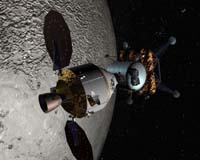
NASA Modifies Orion Crew Exploration Vehicle Contract
Houston TX (SPX) Apr 23, 2007 NASA has modified its contract with Lockheed Martin Corp. of Littleton, Colo., to design, test and build the Orion crew exploration vehicle. The updated contract contains three significant changes. Two years have been added to the design phase. Two test flights of Orion's launch abort system have been added. And production of a pressurized cargo carrier for the International Space Station has been deleted from the initial design phase. NASA continues work to ensure a smooth transition from the Space Shuttle Program to the Constellation Program. This is demonstrated in a fourth element of the contract modification that provides for use of surplus raw materials, such as aluminum-lithium ingots now used in the construction of space shuttle fuel tanks, for Orion. "NASA and Lockheed have been working together as a team during the past six months to iron out many critical design and schedule details," said Skip Hatfield, manager the Orion Project at NASA's Johnson Space Center in Houston. "This contract update will synchronize our spending plan with the rest of the Constellation Program." NASA awarded the Orion prime contract to Lockheed Martin Corp. on Aug. 31, 2006. At that time, the development portion of the contract was valued at $3.9 billion with a period of performance through December 2011. This contract modification, in the amount of $385 million, brings the total value to approximately $4.3 billion and adjusts the development period of performance through December 2013. This update is the result of a NASA request for engineering change proposal issued on Dec. 15, 2006. Lockheed Martin's proposal was received March 7, 2007. The contract modification was signed April 20. The modification reflects continuing progress on Orion's development, including program formulation and systems assessments addressing the rocket, ground infrastructure and all other elements necessary for a successful first launch. The period of performance now matches the evolving NASA budget landscape. "The Orion team has made some critical decisions that will maximize the performance and flexibility of this spacecraft," said Jeff Hanley, manager of the Constellation Program at Johnson. "This spacecraft will be a cornerstone of America's human exploration of the solar system by a new generation of explorers, and these changes and additional tests will ensure that it is robust enough to accomplish its missions." Meanwhile, work progresses as planned on the contract. NASA and Lockheed Martin have completed Orion's systems requirements review and are moving toward a systems design review scheduled in August. Email This Article
Related Links  Huntsville AL (SPX) Apr 19, 2007
Alliant Techsystems, Lockheed Martin, and Pratt and Whitney Rocketdyne have presented to NASA an oral summary of their proposal for the Ares I Upper Stage. The proposal has been delivered in stages over the last month and culminated with the submittal of the cost volume last week. |
|
|

| The content herein, unless otherwise known to be public domain, are Copyright 1995-2006 - SpaceDaily.AFP and UPI Wire Stories are copyright Agence France-Presse and United Press International. ESA PortalReports are copyright European Space Agency. All NASA sourced material is public domain. Additionalcopyrights may apply in whole or part to other bona fide parties. Advertising does not imply endorsement,agreement or approval of any opinions, statements or information provided by SpaceDaily on any Web page published or hosted by SpaceDaily. Privacy Statement |