|
 |
 |
 |
 |
 |
 |
 |
 |

 |
Millions Of Animals Face Death Sentence In Australia
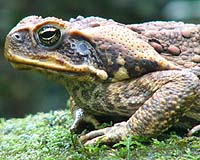
Sydney (AFP) Sep 25, 2005 Millions of exotic animals - from camels to cane toads, horses and foxes - face extermination in Australia under recommendations by a parliamentary committee. A population explosion of species introduced to this isolated continent since European settlement began more than 200 years ago is a growing threat to agriculture and native wildlife, the committee of inquiry has found. "The exotic species need to be eradicated," committee chairman Alby Schultz told AFP. "That's the first point I make." Shooting and poisoning would be among methods recommended by the committee, which has been investigating the problem for more than a year and will present its report to parliament by early November, he said. The Department of the Environment lists animals of "significant concern" as including feral camels (500,000), horses (300,000), donkeys (five million), pigs (up to 23 million), cane toads, European wild rabbits, European red foxes, cats and goats. Some of the animals such as camels, horses and donkeys were introduced as beasts of burden. Pigs and goats were brought in as food sources by early settlers and foxes for recreational hunting. Others, such as cane toads, were, ironically, imported to eradicate agricultural pests. With few natural predators and vast sparsely-populated areas in which to roam, the populations have soared, putting pressure on native species by preying on them, competing for food and shelter, destroying habitat and spreading diseases. Shultz said the committee would recommend the establishment of a national body to oversee a countrywide strategy to eliminate the exotic imports and replace previously uncoordinated attempts at regional control. Describing the need for action as "very urgent", Shultz dismissed a suggestion that it would be impossible to shoot Australia's half-million feral camels, for example, let alone the millions of other animals. "You can, because the donkey is a classic example of that. In Western Australia they had a wild donkey population of somewhere between 400,000 and 500,000 and they've basically eradicated them," he said. This had been done through shooting from helicopters after using female "Judas donkeys" wearing radio collars to lead marksmen to the feral herds, and the same could be done with camels and goats, he said. The conservation group WWF Australia agrees there is a need to cull feral animals, programme leader for species Nicola Markus told AFP, while stressing that it should be done as humanely as possible. "WWF Australia certainly recognises that invasive species, and that includes feral animals like cats and foxes and camels and cane toads and rabbits, are without a doubt one of the most serious threats to native biodiversity that there is. "Along with land-clearing and climate change they'd be right up there," she said. "They are feral animals and they don't belong in this country and they've had an incredible impact on the environment in the time they've been here." Shultz acknowledged, however, that some animal rights activists would be outraged by his committee's recommendations. "The animal liberationists as an example gave evidence to the committee and one of the groups said the introduced exotic species should be allowed to evolve into our natural ecosystem even at the expense of endangered native species. "Now that's outrageous and my committee certainly won't be advocating that," Shultz said. "What we'll be advocating is the total eradication where possible of introduced exotic species in the interest of protecting our native flora and fauna." Shultz said the cost of just a specific few of the pest animal species to agriculture was estimated to be around 720 million dollars (547 million US) a year, but the figure would be much higher if they were all taken into account. The WWF puts the overall cost of foreign invasive animal and plant species - also a major problem - at 4.7 billion dollars a year. Community Email This Article Comment On This Article Related Links SpaceDaily Search SpaceDaily Subscribe To SpaceDaily Express Darwin Today At TerraDaily.com
 Panda Paparrazi Swoons Over Cub Tai Shan At Washington Zoo
 Washington (AFP) Nov 29, 2005
There was 'panda-monium' at Washington's National Zoo on Tuesday as fluffy giant panda cub Tai Shan cavorted for the cameras, in his first encounter with the media pack. |
|
|

| The content herein, unless otherwise known to be public domain, are Copyright 1995-2006 - SpaceDaily.AFP and UPI Wire Stories are copyright Agence France-Presse and United Press International. ESA PortalReports are copyright European Space Agency. All NASA sourced material is public domain. Additionalcopyrights may apply in whole or part to other bona fide parties. Advertising does not imply endorsement,agreement or approval of any opinions, statements or information provided by SpaceDaily on any Web page published or hosted by SpaceDaily. Privacy Statement |