|
 |
 |
 |
 |
 |
 |
 |
 |

 |
Managing Forest Fires In Real Time
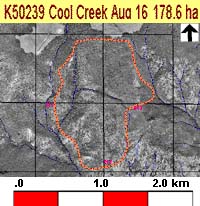
Richmond - August 24, 2000 - MacDonald Dettwiler's Real Time Emergency Management via Satellite (REMSAT) system has been deployed to the site of the 350-hectare Thynne Mountain fire northwest of Princeton to support the on-site British Columbia Fire Service (BCFS) Incident Commander in controlling the fire. Unique in the world, REMSAT combines satellite and communication technologies from multiple countries to solve forest fire challenges in B.C. REMSAT improves communications between fire-fighting crews in the field and the field command post; delivers up-to-date position and status information on all resources, including aircraft, equipment, and personnel; and provides additional information on the emergency area such as satellite or airphoto imagery. "REMSAT helps us improve our response to fires and we can see the whole scenario in real-time," said John Flanagan, Forest Service fire operations specialist. "The satellite maps also show weather conditions, information on dwellings and other combustibles, all vital information to help us deploy resources more effectively. This technology is particularly valuable when fires occur near populated areas." "The REMSAT project brings together expertise in co-ordinated emergency management from B.C., Canada, and Europe," said Daniel E. Friedmann, MacDonald Dettwiler President and CEO. "With a focus on saving B.C.'s dwellings and forests from the kinds of fires that are currently burning, REMSAT fits our vision of helping people manage their activities on the planet. We intend to continue to develop the REMSAT technology to help manage other types of emergency situations around the world." REMSAT will continue to be used in wild-fire situations throughout the fire season in B.C. REMSAT was developed by MacDonald Dettwiler in partnership with the B.C. Forest Service and the Canadian Space Agency under contract to the European Space Agencies.
Email This Article Comment On This Article Related Links Space
 Satellite Launch To Boost DTH In India
 Calcutta, India (SPX) Dec 28, 2005
The successful launch Thursday of India's heaviest satellite from spaceport of Kourou in French Guyana may have boosted the country's space research efforts to yet another level, but it has also lifted the spirits of at least three Direct-To-Home televisions broadcasters, one of which has been waiting for years to launch its services in India. |
|
|

|
|
|
|
|
|
|
|
|
|
|
|
| The content herein, unless otherwise known to be public domain, are Copyright 1995-2006 - SpaceDaily.AFP and UPI Wire Stories are copyright Agence France-Presse and United Press International. ESA PortalReports are copyright European Space Agency. All NASA sourced material is public domain. Additionalcopyrights may apply in whole or part to other bona fide parties. Advertising does not imply endorsement,agreement or approval of any opinions, statements or information provided by SpaceDaily on any Web page published or hosted by SpaceDaily. Privacy Statement |