|
 |
 |
 |
 |
 |
 |
 |
 |

 |
Lebanon Oil Spill Cleanup May Take A Year
Beirut (AFP) Aug 22, 2006 Cleanup of a massive oil spill caused by Israeli air strikes on a fuel depot could take up to one year, the environmental group Greenpeace Mediterranean said Tuesday. The watchdog released pictures it said showed oil that had sunk to the seabed, pointing to the urgent need for an immediate and comprehensive assessment of the pollution. Cleanup could take between six months and a year depending on how quickly an assessment is done and cleanup begins in earnest, Zeina Al Hajj, Greenpeace's Beirut coordinator, told reporters. The United Nations Environment Programme (UNEP) estimates that between 10,000 and 15,000 tonnes (11,000-16,500 tons) of fuel oil leaked from an electric power plant bombed south of Beirut by Israel last month. It polluted about 150 kilometers (93 miles) of the Lebanese coast and spread north into Syrian waters, officials said. Officials warn that if all the oil from the damaged plant were to seep into the sea, the environmental fallout could rival the 1989 Exxon Valdez spill that devastated Alaska's Prince William Sound. Greenpeace released video footage Tuesday which it said showed an underwater slick off Jiyeh, Lebanon, that stretched for at least 100 metres (yards) to the west and dozens of meters to the north and south. The film, taken by a Greenpeace activist who heads the Lebanese Union of Professional Divers, showed a gloved hand scooping up a black treacle-like substance. Al Hajj said that while no mass fish deaths were evident under the water, oysters, crabs and fish on shore have been found covered in oil which sank to the seabed. The Nairobi-based UNEP said Monday that Israeli authorities had given safety assurances for aerial UN surveillance missions over the Lebanese coast to determine the scope of the oil spill. Israel has maintained an air, sea and land blockade of Lebanon since hostilities broke out with the Lebanese Shiite militia Hezbollah on July 12. UNEP chief Achim Steiner said it is "absolutely vital" that the flights are swiftly undertaken to establish the quantity of oil still floating on the sea and to then tailor the appropriate response. Al Hajj agreed on the urgency of aerial surveillance but said it should be supplemented by ground and underwater assessments in parallel with cleanup efforts. Immediate helicopter surveys and a joint effort to clean up to 30 coastal sites in Lebanon were part of a recovery plan unveiled last week by senior officials from the United Nations, the European Union and regional states meeting in Greece. The operation would cost at least 50 million euros (64 million dollars). European and Lebanese teams working in Jbeil, north of the capital Beirut, have already recovered about 100 tonnes of spilled oil, a fraction of the total.
Source: Agence France-Presse Community Email This Article Comment On This Article Related Links Our Polluted World and Cleaning It Up Our Polluted World and Cleaning It Up
 Israel's North Reels From Environmental Cost Of War
 Safed (AFP) Israel, Aug 21, 2006
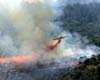
A week after Hezbollah rockets stopped raining down on northern Israel, the acrid smell of smoke still hangs over many parts of the Galilee hills -- a reminder of the heavy environmental cost of the war. "It will take 50 years, two entire generations, for our forests to return to what they were before the war," says Paul Ginsberg, who heads the forestry department at the Jewish National Fund (JNF), a charity that specializes in planting trees in Israel. |
|
|

| The content herein, unless otherwise known to be public domain, are Copyright 1995-2006 - SpaceDaily.AFP and UPI Wire Stories are copyright Agence France-Presse and United Press International. ESA PortalReports are copyright European Space Agency. All NASA sourced material is public domain. Additionalcopyrights may apply in whole or part to other bona fide parties. Advertising does not imply endorsement,agreement or approval of any opinions, statements or information provided by SpaceDaily on any Web page published or hosted by SpaceDaily. Privacy Statement |