|
 |
 |
 |
 |
 |
 |
 |
 |

 |
LSU, Yale Team Study Agricultural Impact On Mississippi River
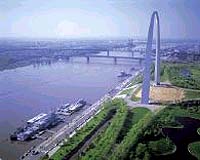
Baton Rouge LA (SPX) Jan 24, 2008 According to a study published in "Nature" by researchers at LSU and Yale University, farming has significantly changed the hydrology and chemistry of the Mississippi River, injecting more carbon dioxide into the river and raising river discharge during the past 50 years. LSU Professor R. Eugene Turner and graduate student Whitney Broussard, along with their colleagues at Yale, tracked changes in the discharge of water and the concentration of bicarbonate, which forms when carbon dioxide in soil water dissolves rock minerals. Bicarbonate in rivers plays an important, long-term role in absorbing atmospheric carbon dioxide, a greenhouse gas. Oceans then absorb this carbon dioxide, but become more acidic in the process, making it more difficult for organisms to form hard shells - a necessary function in coral reefs, for example. Researchers concluded that liming and farming practices, such as changes in tile drainage, tillage practices and crop type, are most likely responsible for the majority of the increase in water and carbon in the Mississippi River, North America's largest river. "It's like the discovery of a new large river being piped out of the corn belt," said Pete Raymond, lead author of the study and associate professor of ecosystem ecology at the Yale School of Forestry and Environmental Studies. The research team analyzed 100-year-old data on the Mississippi River warehoused at two New Orleans water treatment plants, and combined it with data on precipitation and water export. "The water quality information we used has been sitting idle for over 50 years in an attic in New Orleans, waiting to be discovered," said Broussard, who is pursuing a doctoral degree in coastal ecology at LSU. "I felt like a treasure-hunter when we opened those boxes in that 100-plus degree attic to find those data logs. You never know where your research will take you if you're open to suggestion and serendipity." Turner, distinguished professor of coastal ecology, added, "and [where it will take you] if you have the benefits of long-term collaborations of trusting and high-quality academic research groups." The research team used the data to demonstrate the effects of this excess water on the carbon content of the river, and argue that the additional water in the river is altering the chemistry of the Gulf of Mexico as by increasing the amount of nutrients and pollution the river transports to the Gulf. "We're learning more and more about the far-reaching effects of American agriculture on rivers and lakes. This also means that the agricultural community has an incredible opportunity to influence the natural environment in a positive way, more than any other contemporary enterprise," said Broussard. "If we want to clean the water, we have to steward the land with right agriculture." Community Email This Article Comment On This Article Related Links Louisiana State University Our Polluted World and Cleaning It Up
 Fog causing high dust levels in Bulgaria: environmental agency
 Sofia (AFP) Jan 22, 2008
Dust levels in the air in Bulgaria have remained above the norm throughout January, owing to the fog that has enveloped the country several times this month, the executive environmental agency said Tuesday. |
|
|

| The content herein, unless otherwise known to be public domain, are Copyright 1995-2007 - SpaceDaily.AFP and UPI Wire Stories are copyright Agence France-Presse and United Press International. ESA Portal Reports are copyright European Space Agency. All NASA sourced material is public domain. Additional copyrights may apply in whole or part to other bona fide parties. Advertising does not imply endorsement,agreement or approval of any opinions, statements or information provided by SpaceDaily on any Web page published or hosted by SpaceDaily. Privacy Statement |