|
 |
 |
 |
 |
 |
 |
 |
 |

 |
Globalstar Signs 2nd-Gen Satellite Constellation Launch Contract With Arianespace
Milpitas CA (SPX) Sep 05, 2007 Globalstar has announced it has signed a launch agreement with European launch services company Arianespace for the launch of Globalstar's second-generation LEO (low earth orbit) satellite constellation. The agreement provides Globalstar with the ability to conduct back-to-back launch campaigns and commence launching its second-generation satellites as early as the summer of 2009. Globalstar will again be using the highly reliable, human-rated Soyuz launch vehicle, which has been used to successfully launch twenty-eight Globalstar satellites since 1999. Later this year, four additional first generation satellites are scheduled for launch using the Soyuz booster. Arianespace is a world leader in space transportation and is headquartered in France. The agreement provides for up to eight launches from Arianespace's Guiana Space Center launch complex located in French Guiana. The Spaceport has been operational since 1968 and has been the site of more than 460 launches. The Guiana Space Center Soyuz launch complex modifications are expected to be completed well in advance of the 2009 Globalstar second-generation satellite launch dates. If required, the Globalstar launches may also be performed at the Baikonur Cosmodrome in Kazakhstan. "We are very pleased to finalize this agreement which secures the launch of our second-generation space segment, and I would like to thank Arianespace for providing us with the flexibility needed to accommodate both our launch budget and the accelerated delivery and deployment schedule of the new satellites," said Jay Monroe, Chairman and CEO of Globalstar, Inc. Mr. Monroe added, "This completes the final major contract necessary to deploy our long-term space segment and it also enables us to once again work with one of the world's leading providers of space transportation while meeting our reliability and pricing objectives. Seven Globalstar launches have already been successfully conducted using the Soyuz launch vehicle and we look forward to working with Arianespace and their contractors as they prepare for our initial second-generation satellite launch expected as early as the summer of 2009." Globalstar launched four first-generation satellites on Soyuz in late May and is preparing to launch an additional four in the fourth quarter of this year, again using the Soyuz booster. In addition to augmenting the current constellation, the eight first-generation spare satellites will also be integrated into the second-generation constellation. A total of 32 satellites will then contribute to the company's initial deployment of its new constellation. The remaining un-launched second-generation satellites will provide Globalstar with the capability to extend the lifespan of its constellation well beyond 2025. The Globalstar second-generation constellation is being designed for a 15-year contracted lifespan. The new constellation is expected to provide Globalstar customers with long-term, high quality and reliable satellite voice and data services. Globalstar expects the new constellation and ground network to provide faster data speeds required to support services such as satellite mobile video. The preliminary design of the new Globalstar constellation has been completed and prime contractor Thales Alenia Space has commenced initial manufacturing of second-generation satellite components. Community Email This Article Comment On This Article Related Links Globalstar The latest information about the Commercial Satellite Industry
 Eighth Continent Project To Integrate Space Business into Global Economy
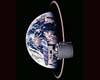 Golden CO (SPX) Aug 31, 2007
The Eighth Continent Project, the world's most comprehensive program to integrate space technology and resources into the global economy, was launched here today at the Colorado School of Mines Center for Space Resources. |
|
|

| The content herein, unless otherwise known to be public domain, are Copyright 1995-2007 - SpaceDaily.AFP and UPI Wire Stories are copyright Agence France-Presse and United Press International. ESA Portal Reports are copyright European Space Agency. All NASA sourced material is public domain. Additional copyrights may apply in whole or part to other bona fide parties. Advertising does not imply endorsement,agreement or approval of any opinions, statements or information provided by SpaceDaily on any Web page published or hosted by SpaceDaily. Privacy Statement |