|
 |
 |
 |
 |
 |
 |
 |
 |

 |
Geneva Aerospace Turns Blimps Into Satellite Communications Links For Army Units
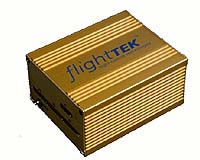
Carrollton TX (SPX) Dec 02, 2004 Blimps are back. By adding Geneva Aerospace's industry-leading unmanned autonomous flight control technologies to blimps, the military soon will have more cost-effective communications capabilities in combat areas. During Operation Iraqi Freedom and Operation Enduring Freedom, the military learned its communications coverage, including the ability to keep up with convoys, was not adequate. The U.S. Army Research, Development, and Engineering Command (RDECOM), together with the Aviation and Missile Command (AMCOM) explored the following short-term answer to this problem. The Airborne Communication Extender (ACE) airship, manufactured by ISL-Bosch Aerospace Division of Huntsville, Ala. ACE was recently tested for use by RDECOM in Lakehurst, N.J. The 125-foot blimp can operate at an altitude of 1 mile, move at speeds of up to 50 miles per hour, and stay aloft for more than 24 hours at a time without a pilot. The blimp is equipped with Geneva's avionics technologies, which include the flightTEK mission computer, as well as communications equipment. "We have given the blimp the capability to be completely autonomous," said Max Jensen, director of sales for Geneva Aerospace. "You can give the vehicle a mission plan and launch it, and it will be completely hands-off until you recover it. Plus, with flightTEK, the blimp can be guided by an operator from the ground." This application creates a continual communication link for the military, which currently relies on fixed radio towers or fixed-wing aircraft to provide communications coverage. "A lot of communications use towers for relays, but they provide only a very short range," said Jim Boschma, manager of the ISL-Bosch Aerospace Division. "On the other hand, conventional manned and unmanned aircraft can stay up for only four to five hours at a time before they have to refuel. "In contrast, the blimp is like having a satellite overhead all the time," he added. "If ground forces are on the move, they can stay in radio range constantly." Bosch chose Geneva's flight control system for the ACE Airship after conducting a survey of autopilot equipment available on the market, Boschma said. "There are an awful lot of people competing for this kind of business," he said. "But Geneva had the system for us. flightTEK is truly on the leading edge. Plus, the company is flexible about customizing its software to meet the needs of the blimp." "The blimp can be built and then operated for years at a fraction of initial cost of building a satellite," Jensen said. "In the future, the unmanned blimp could be used for surveillance activities as well," he added. Community Email This Article Comment On This Article Related Links Geneva Aerospace SpaceDaily Search SpaceDaily Subscribe To SpaceDaily Express UAV News - Suppliers and Technology
 USAF UAV Battlelab Sponsors Demo Of Proxy Aviation's SkyForce
 Germantown MD (SPX) Jan 11, 2006
Proxy Aviation Systems recently announced the United States Air Force (USAF) Unmanned Aerial Vehicle Battlelab (UAVB) sponsored and cooperated in a demonstration of SkyForce, Proxy Aviation's unmanned aircraft system. |
|
|

| The content herein, unless otherwise known to be public domain, are Copyright 1995-2006 - SpaceDaily.AFP and UPI Wire Stories are copyright Agence France-Presse and United Press International. ESA PortalReports are copyright European Space Agency. All NASA sourced material is public domain. Additionalcopyrights may apply in whole or part to other bona fide parties. Advertising does not imply endorsement,agreement or approval of any opinions, statements or information provided by SpaceDaily on any Web page published or hosted by SpaceDaily. Privacy Statement |