|
 |
 |
 |
 |
 |
 |
 |
 |

 |
General Atomics Scores Power Production First
San Diego, CA (SPX) Mar 15, 2007 A team led by General Atomics (GA) successfully tested a new method for generating electrical power on board a hypersonic vehicle. A magnetohydrodynamic (MHD) generator was operated to produce electrical power using the exhaust stream from a prototype hypersonic scramjet combustor simulating flight at Mach 8 conditions. This is the world's first successful demonstration of a hypersonic MHD generator. This will lead the way for future development of this technology as a viable means to provide multi-megawatt MHD auxiliary power systems for air-breathing hypersonic vehicles. This work was a collaborative effort by prime contractor GA, LyTec LLC, Pratt and Whitney Rocketdyne (PWR), United Technologies Research Center (UTRC), and NASA. The United States Air Force Research Laboratory (AFRL) sponsored the research effort under the Hypersonic Vehicle Electric Power Systems (HVEPS) program managed at Wright Patterson's AFRL/Propulsion Directorate. The scramjet-driven MHD power testing was completed December 12, 2006 at the UTRC Jet Burner Test Facility (JBTF) in Hartford, CT. The experiments encompassed two sequential series of multiple short-duration tests in the JBTF wherein an MHD generator test article was installed in-line and downstream of the scramjet test rig. In all experiments, MHD electric power was successfully demonstrated at varying magnetic field intensities and varying power levels. Preliminary assessments indicate that peak power production of 15 kW was achieved over the active portion of the MHD generator, which was well within the design range for the test article. Gas turbine engines are currently used to mechanically drive rotating generators to produce electrical power for conventional aircraft systems. Hypersonic vehicles, however, use scramjet engines, which do not have rotating shafts to allow the use of dynamos. The HVEPS project posed the advanced concept of using an MHD generator coupled in-line to the scramjet exhaust to directly extract electric power from the induced electromotive force produced by the interaction of the exhaust plasma stream with a magnetic field. The HVEPS demonstration of this concept is a notable milestone that paves the way for further development of scramjet-driven MHD as an enabling technology for realization of a revolutionary flight-weight, high-electric-power system applicable to the next generation global-reach military aircraft. The Air Force program manager for HVEPS, Mr. Rene Thibodeaux, stated, "The success of these tests moves hypersonic MHD technology from the realm of speculation to realistic possibilities...Electrical power can now be produced on-board an air-breathing hypersonic platform without carrying large amounts of liquid oxygen like the Space Shuttle requires..." Community Email This Article Comment On This Article Related Links General Atomics Rocket Science News at Space-Travel.Com All about the technology of space and more Rocket Science News at Space-Travel.Com
 ISRO May Use Kerosene As Rocket Fuel
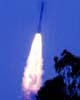 New Delhi (PTI) Mar 14, 2007
In a bid to reduce the cost of launching satellites, space scientists are exploring the use of kerosene to propel rockets into outer space, a first such attempt in the country. Scientists at ISRO's Vikram Sarabhai Space Centre (VSSC) and the Liquid Propulsion Systems Centre (LPSC) are carrying out research for the possible use of kerosene in the semi- cryogenic engines, which if successful will make satellite launches cheaper. |
|
|

| The content herein, unless otherwise known to be public domain, are Copyright 1995-2006 - SpaceDaily.AFP and UPI Wire Stories are copyright Agence France-Presse and United Press International. ESA PortalReports are copyright European Space Agency. All NASA sourced material is public domain. Additionalcopyrights may apply in whole or part to other bona fide parties. Advertising does not imply endorsement,agreement or approval of any opinions, statements or information provided by SpaceDaily on any Web page published or hosted by SpaceDaily. Privacy Statement |