|
 |
 |
 |
 |
 |
 |
 |
 |

 |
Galileo GPS Network Hit By More Delays
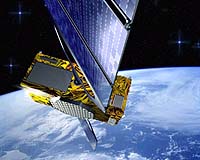
Frankfurt (AFP) Sept 24, 2007 The struggling European navigation system Galileo faces yet another delay with a three-month postponement of its second satellite launch, a press report said Monday. "The forecast launch of the second satellite in December will now be held in March 2008," a spokesman for the launch company Arianespace was quoted by the Financial Times Deutschland as saying. Problems with the Russian rocket Soyuz which is to place the Giove-B satellite in geo-stationary orbit were responsible for the latest setback, the newspaper reported. The Galileo navigation system was designed to compete with the GPS system already in wide use, but Galileo has been hit by rising costs, and European Union officials had to step in when squabbling among mooted private partners caused several deadlines to be missed. Galileo is to consist of 30 satellites orbiting at 24,000 kilometers above the earth, and provide a civilian alternative to the GPS network which is run by the US military. The European network also promises location precision of around one metre, as opposed to 10 metres for the US version. EU authorities are now debating whether the estimated 10 billion euro (14 billion dollar) price tag for Galileo should be publicly financed, with an extra 2.4 billion euros in unused funds from the 27-nation bloc's joint budget. The latest forecast for the system to become operational is 2012. Community Email This Article Comment On This Article Related Links GPS Applications, Technology and Suppliers
 Brussels to present finance plans to save Galileo satnav project
 Brussels (AFP) Sept 18, 2007
The European Commission will on Wednesday present its public financement plans for the troubled Galileo satellite navigation network, with unused farm funds viewed as a potential piggy bank, according to sources. |
|
|

| The content herein, unless otherwise known to be public domain, are Copyright 1995-2007 - SpaceDaily.AFP and UPI Wire Stories are copyright Agence France-Presse and United Press International. ESA Portal Reports are copyright European Space Agency. All NASA sourced material is public domain. Additional copyrights may apply in whole or part to other bona fide parties. Advertising does not imply endorsement,agreement or approval of any opinions, statements or information provided by SpaceDaily on any Web page published or hosted by SpaceDaily. Privacy Statement |