|
 |
 |
 |
 |
 |
 |
 |
 |

 |
GPS For The Prostate: System Keeps Radiation Therapy On Target
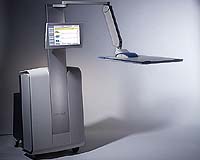
Seattle WA (SPX) Feb 15, 2008 A system for tracking the movement of the prostate during radiation therapy has gone into service at the Seattle Cancer Care Alliance. Featuring tiny GPS-type positioning transponders implanted inside the prostate, the technology tracks any movement of the prostate in real time and alerts technicians if the organ moves beyond pre-determined parameters so they can adjust the external beam of radiation. The advantage of using the system is that the radiation dose stays on target and less of it reaches surrounding healthy tissue, which reduces potential side effects. There is also the potential for using higher doses of radiation to attack tumors precisely while reducing the amount of time patients must undergo the procedure, according to Ken Russell, M.D., radiation oncology clinical chief at the SCCA and the University of Washington. "The purpose of radiation oncology is to accurately deliver the treatment to the cancer and avoid as much as possible the normal nearby organs," said Russell, who is also vice chairman of the UW Department of Radiation Oncology. "The prostate is a moving target." Calypso Medical Technologies of Seattle manufactures the system, which is called the Calypso 4D Localization System. It consists of five components that work together: electromagnetic transponders the size of a grain of rice, a console the size of a large rolling suitcase, an electromagnetic array to receive the transponder signals, a tracking workstation and infrared cameras installed in the treatment room. Three transponders are implanted during a 15-minute outpatient procedure at the UW urology clinic. The process is similar to a hollow-needle biopsy. The radiation treatment is done at the SCCA outpatient clinic on the Fred Hutchinson Cancer Research Center campus at South Lake Union. Community Email This Article Comment On This Article Related Links Seattle Cancer Care Alliance GPS Applications, Technology and Suppliers
 GPS spreading from cars to mobile phones
 Barcelona, Spain (AFP) Feb 14, 2008
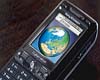
After replacing paper maps for millions of drivers, GPS technology is now being put into mobile phones and was one of the most-hyped developments at this week's Mobile World Congress. |
|
|

| The content herein, unless otherwise known to be public domain, are Copyright 1995-2007 - SpaceDaily.AFP and UPI Wire Stories are copyright Agence France-Presse and United Press International. ESA Portal Reports are copyright European Space Agency. All NASA sourced material is public domain. Additional copyrights may apply in whole or part to other bona fide parties. Advertising does not imply endorsement,agreement or approval of any opinions, statements or information provided by SpaceDaily on any Web page published or hosted by SpaceDaily. Privacy Statement |