|
 |
 |
 |
 |
 |
 |
 |
 |

 |
Flurry Of Diplomatic Consultations As Iran Sanctions Talks Falter
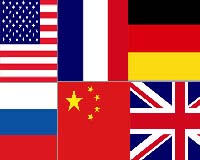
Washington (AFP) Mar 08, 2007 Major power diplomats held a flurry of telephone consultations Thursday as disagreements snagged negotiations on a new UN sanctions resolution to curb Iran's nuclear program, US officials said. US Under Secretary of State Nicholas Burns held a conference call Thursday with his counterparts from Britain, China, France, Russia and Germany and then spoke separately with each of the five over the sanctions proposals, State Department spokesman Sean McCormack said. "We're chipping away at any remaining differences that might exist," McCormack said. The governments -- the five permanent UN Security Council members plus Germany, known as the P5+1 grouping -- handed the sanctions issue to their UN ambassadors on Monday in hopes of drawing up a draft resolution this week. But the talks have since bogged down, with a senior US official saying one problem was Chinese objections to elements in the sanctions proposal. "We're working through some stuff with them," the official, speaking on condition of anonymity, said of the Chinese. The Security Council adopted a first series of sanctions against Iran in December after Tehran refused to freeze a uranium enrichment program that could produce fuel for nuclear power stations but also material to make atomic bombs. That resolution set a 60-day deadline for Iran to suspend its program. When the deadline passed in late February, the UN atomic watchdog reported that Iran had actually accelerated its enrichment activities. P5+1 diplomats have described the second sanctions proposal as an "incremental" ratcheting up of the December measures, which included a ban on the sale of nuclear and ballistic missile-related materials to Iran and a freeze on assets of individuals or companies involved in the programs. The new proposal would include a travel ban on nuclear officials, an arms embargo and trade and financial sanctions, including possible restrictions on export credits to Iran, diplomats said. Negotiations on the December resolution dragged on for months, mainly due to efforts by Russia, which has extensive energy and other dealings with Iran, to water down the measures. McCormack insisted Russia was not the problem in the current round of talks. "I want to dispel this notion that's out there -- it may be an echo of past discussions -- but certainly in this round we're working very cooperatively with the Russian government," he said. The US spokesman expressed optimism that despite ongoing differences the new sanctions resolution would be passed quickly, though he declined to set any timeframe. "Make no mistake, we are going to get a resolution," he said. "Everybody is committed to getting a second resolution as soon as we possibly can."
Source: Agence France-Presse Community Email This Article Comment On This Article Related Links Learn about nuclear weapons doctrine and defense at SpaceWar.com Learn about nuclear weapons doctrine and defense at SpaceWar.com Learn about missile defense at SpaceWar.com All about missiles at SpaceWar.com Learn about the Superpowers of the 21st Century at SpaceWar.com
 UN Agency Debates Israel Nuclear Programme
 Vienna (AFP) Mar 08, 2007
Iran branded Israel "a uniquely grave threat" to world peace because of its alleged nuclear weapons Thursday, after the UN atomic agency sharply cut aid to Tehran because of its own atomic programme. "Nuclear weapons in the hands of the Israeli regime with ... a long and dark catalogue of crimes and atrocity such as occupation, aggression, militarism, state terrorism, crimes against humanity and apartheid pose a uniquely grave threat to regional and international peace and security," Iranian ambassador Ali Asghar Soltanieh told the governing board of the International Atomic Energy Agency. |
|
|

| The content herein, unless otherwise known to be public domain, are Copyright 1995-2006 - SpaceDaily.AFP and UPI Wire Stories are copyright Agence France-Presse and United Press International. ESA PortalReports are copyright European Space Agency. All NASA sourced material is public domain. Additionalcopyrights may apply in whole or part to other bona fide parties. Advertising does not imply endorsement,agreement or approval of any opinions, statements or information provided by SpaceDaily on any Web page published or hosted by SpaceDaily. Privacy Statement |