|
 |
 |
 |
 |
 |
 |
 |
 |

 |
Extreme weather starving Uganda's pastoralists
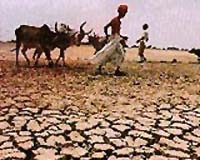
Lokupoi, Uganda (AFP) April 3, 2008 John Lochaon does not just survive on less than one dollar a day. He has streched out 15 dollars for nine months in a part of Uganda that climate change is plunging into famine. Lochaon has been unable to make a living because he lives in Karamoja, one of the driest and least developed areas in this east African country and one with a lack of infrastructure and basic services. Drought forces the one million-plus people in this northeastern region bordering Kenya and Sudan to constantly move around searching for food. "I have two problems: old age and hunger," said the elderly Lochaon, who does not know his age. He sat on a log outside of his thatched-roof hut, his long, shrivelled limbs stretched over the dusty ground as lizards scurried by. "Climate change is having a strong impact here - Karamoja is now in an emergency," said Alix Loriston, deputy director of the UN World Food Programme. The semi-arid region has typically experienced drought since the 1960s, every five to 10 years. But since 2000, the phenomenon has become more frequent and more disastrous. Karamoja, which has no irrigation system, has suffered extreme drought for two years straight, preventing harvests altogether. Uganda's floods last autum left 400,000 homeless. Climate experts said they were also a consequence of global warming, and washed away what little crops existed. In Karamoja's St. Kizito Hospital, emaciated babies swaddled in sheets filled rows of cribs. Their mothers, draped in brightly-patterned cloths, leaned over the silver bars of the beds. The hospital said it treats over 350 children a day for severe malnutrition. Harvesting is usually done once a year, during the wet season, said James Lemukol, a hospital doctor. "For the rest of the year, there is a dry spell of time." Karamojong Ellen Moru said she was waiting for rain. Seated under the shade of a lifeless tree, Moru shared a small bowl of fruit for lunch with three other women and six children. "It is two years since we had a harvest," she said. "If the rains come this year maybe we will have one; if not, this situation will worsen." Moru, who has four children, said she had to hunt for wild fruits and vegetables. Behind her, tall, lanky Karamojong, bedecked in kaleidoscopic fabric and carrying walking sticks, roamed past scruffy bushes in the homestead. Local leaders said the people rely on local alcohol, water, wild fruits and even ants and rats for sustenance. "People live a day at a time," said Chuna Kapolon, a Karamojong politician. To compound problems, as climate change dries the land, residents fight over ever-scarcer resources. Cattle are the most prized possession of the Karamojong, prompting them to steal and even die in gunfights for the animals. With a lack of successful harvests, cattle are even more vital. The Karamojong and their neighbours, the Turkana and Pokot of Kenya, also cattle-herders, have been engaged in conflict for centuries, often resulting in death and destroyed property. The semi-nomadic tribes, once armed with bows and arrows, have now become equipped with illegal guns. Uganda estimates that there are up to 40,000 weapons in Karamoja -- one for every 24 people. The army is forcibly disarming the nomads, which has resulted in several deaths on both sides. For now, however, both cattle and food are lacking in Karamoja. WFP said it will distribute enough food to meet the needs of 300,000 people, but that it lacks enough funds to feed the rest. "The rains have been unpredictable and unreliable. You cultivate crops then they fail to germinate," said Anna Sagal, adjusting her neon-green headscarf as she stood in the dry heat waiting for a food handout. Scientists on the UN's Intergovernmental Panel on Climate Change warned last September that the effects of global warming are already being felt in Africa. Africans are expected to face a severe lack of food and drinkable water by the end of the century. Community Email This Article Comment On This Article Related Links Climate Science News - Modeling, Mitigation Adaptation
 Australian drought easing but not over: experts
 Sydney (AFP) March 2, 2008
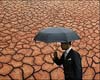
Australia's worst drought in a century is finally showing signs of easing, giving devastated farmers reason for hope as the southern hemisphere autumn begins, forecasters said. |
|
|

| The content herein, unless otherwise known to be public domain, are Copyright 1995-2007 - SpaceDaily.AFP and UPI Wire Stories are copyright Agence France-Presse and United Press International. ESA Portal Reports are copyright European Space Agency. All NASA sourced material is public domain. Additional copyrights may apply in whole or part to other bona fide parties. Advertising does not imply endorsement,agreement or approval of any opinions, statements or information provided by SpaceDaily on any Web page published or hosted by SpaceDaily. Privacy Statement |