|
 |
 |
 |
 |
 |
 |
 |
 |

 |
Explaining The Methane Mystery
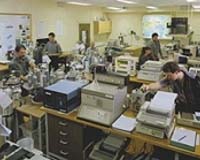
Canberra, Australia (SPX) Oct 02, 2006 Scientists have explained why atmospheric levels of the greenhouse gas methane have stabilised in recent years, but warn that increases could resume in the near future. In research published in Nature this week, an international team of scientists � including CSIRO researchers � has shown that it was a decline in emissions of methane from human activities in the 1990s that resulted in the recent slower growth of methane in the global atmosphere. Since 1999, however, sources of methane from human activities have again increased, but their effect on the atmosphere has been counteracted by a reduction in wetland emissions of methane over the same period. According to one of the authors of the Nature paper, Dr Paul Steele from CSIRO Marine and Atmospheric Research, prolonged drying of wetlands � caused by draining and climate change � has resulted in a reduction in the amount of methane released by wetlands, masking the rise in emissions from human activities. �Had it not been for this reduction in methane emissions from wetlands, atmospheric levels of methane would most likely have continued rising,� he says. �This suggests that, if the drying trend is reversed and emissions from wetlands return to normal, atmospheric methane levels may increase again, worsening the problem of climate change.� The researchers used computer simulations of how the gas is transported in the atmosphere to trace back to the source of methane emissions, based on the past 20 years of atmospheric measurements. The results indicate that a reduction and/or more efficient use of natural gas in the Northern Hemisphere was largely responsible for the drop in methane emissions in the 1990s, and that the more recent increase stemmed from strongly increasing emissions from fossil fuel use in north Asia. The scientists also showed how changes in emissions from wetlands and, to a lesser extent, bushfires, accounted for variations in atmospheric methane from year to year. The research is expected to help reduce uncertainties in future projections of climate change and to help design effective strategies to reduce methane emissions from human activities. To date, reductions in major sources of methane from human activities include improved piping of natural gas and the capture of methane from landfill sites to generate electricity. Methane is the second most important greenhouse gas after carbon dioxide and is estimated to have been responsible for a fifth of the enhanced greenhouse effect over the past 200 years. In addition to emissions from natural wetlands and many other natural sources, human activities including agriculture and the mining and use of fossil fuels produce large amounts of the gas. Community Email This Article Comment On This Article Related Links The Air We Breathe at TerraDaily.com The Air We Breathe at TerraDaily.com
 MIT Team Describes Unique Cloud Forest
 Boston MA (SPX) Sep 15, 2006
Trees that live in an odd desert forest in Oman have found an unusual way to water themselves by extracting moisture from low-lying clouds, MIT scientists report. In an area that is characterized mostly by desert, the trees have preserved an ecological niche because they exploit a wispy-thin source of water that only occurs seasonally, said Elfatih A.B. Eltahir, professor of civil and environmental engineering, and former MIT graduate student Anke Hildebrandt. |
|
|

| The content herein, unless otherwise known to be public domain, are Copyright 1995-2006 - SpaceDaily.AFP and UPI Wire Stories are copyright Agence France-Presse and United Press International. ESA PortalReports are copyright European Space Agency. All NASA sourced material is public domain. Additionalcopyrights may apply in whole or part to other bona fide parties. Advertising does not imply endorsement,agreement or approval of any opinions, statements or information provided by SpaceDaily on any Web page published or hosted by SpaceDaily. Privacy Statement |