|
 |
 |
 |
 |
 |
 |
 |
 |

 |
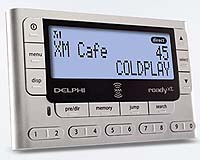
Delphi Provides Sat Radio Receivers For Canada
Las Vegas (SPX) Jan 5, 2006 Delphi has begun producing satellite radios for the Canadian market, supplying receivers to automakers that offer satellite radio as a vehicle option, as well as through retail channels. The Canadian Radio-Television and Telecommunications Commission (CRTC) approved licenses for satellite radio in June, opening up a new market for this rapidly growing form of entertainment. Three satellite services have been approved by the CRTC, and two of the services began broadcasting in December. Delphi currently manufactures hardware that supports both services that are broadcasting. Satellite radio has been available for four years in the United States and has grown to more than 8 million subscribers. Satellite radio, or "subscription radio" as its called in Canada, offers hundreds of channels of digital-quality, crystal-clear music and programming for a monthly fee. Delphi has produced more than 8.5 million satellite receivers since it started producing receivers in 2001. In the last decade alone, Delphi has pioneered or led the introduction of multi-speaker, multi-amp premium audio, CD playbacks, DVD rear seat video, MP3 playbacks, advanced TV reception systems and satellite radio into the market. Delphi supplies both OEM and retail hardware for XM Satellite Radio, and OEM hardware for Sirius Satellite. Since beginning production in 1936, Delphi has manufactured more than 270 million radio systems. Community Email This Article Comment On This Article Related Links Delphi CRTC SpaceDaily Search SpaceDaily Subscribe To SpaceDaily Express Space Technology News - Applications and Research
 Industry Team Achieve New Communications Technology With AESA Radars
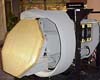 Baltimore MD (SPX) Jan 12, 2006
A team comprised of three leading US aerospace and defense contractors has demonstrated an innovative technological use of active electronically scanned array (AESA) radars for high-bandwidth communications. |
|
|

| The content herein, unless otherwise known to be public domain, are Copyright 1995-2006 - SpaceDaily.AFP and UPI Wire Stories are copyright Agence France-Presse and United Press International. ESA PortalReports are copyright European Space Agency. All NASA sourced material is public domain. Additionalcopyrights may apply in whole or part to other bona fide parties. Advertising does not imply endorsement,agreement or approval of any opinions, statements or information provided by SpaceDaily on any Web page published or hosted by SpaceDaily. Privacy Statement |