|
 |
 |
 |
 |
 |
 |
 |
 |

 |
Debating The Impact Of GM Crops 10 Years On
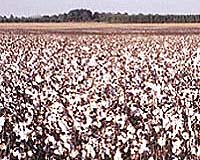
Canberra, Australia (SPX) Apr 02, 2007 Is the expansion of genetically modified (GM) crops still seen as risky or will it in fact help with the doubling of the food supply required as Earth's population hits nine billion within the next 40 years? The latest Ecos magazine presents the views of experts from both sides of the debate on GM technology's role. Ten years after the first GM crops were planted, evidence is mounting that the technology can increase crop yields with apparently little environmental impact, particularly in developing countries. In India, for example, GM cotton has increased yields by around 150 per cent, trebled small farmers' profits, and reduced pesticide volumes by 80 per cent. In Australia, GM cotton has also significantly decreased pesticide use while raising farmers' yields. Anti-GM groups, however, argue that in many developing countries, GM crops are now grown mainly for export by big farmers, not for local consumption, and that there are big effects of this monoculture cropping. Most Australian states, including Victoria and New South Wales, have imposed moratoria on GM crops until 2008. But according to a 2005 ABARE report, ongoing moratoria could result in Australia losing billions of dollars in foregone profits over the next decade, particularly as global warming impacts crop environments. University of Melbourne agronomist Dr Rob Norton claims that the vigorous seedling growth of hybrid GM canolas helps them compete against weeds and shortens the interval to harvest, reducing exposure to heat at the end of the growing season, and meaning less irrigation is required. This trait would allow canola plantings to be expanded into drier areas, potentially boosting annual Australian production of canola by 295, 000 tonnes annually. Other stories in Ecos Issue 135 include: Forgotten treasures: After tens of millions of years of adaptation to Australia's arid conditions, erratic rainfall and nutrient-depleted soils, native grasses are being recognised as a better choice for crops, pastures and lawns than imported varieties. Native grass champion Ian Chivers has been investigating species such as weeping grass, a relative of rice that has a much higher protein content than rice or even high-protein hybrid maize varieties, and which promises to be a superior pasture crop. Cities on the brink: Between 1991 and 2001 Australia's five leading capital cities added two million people to their populations. Water authorities warn that although the population of capital cities is projected to increase by 35 per cent by 2030, water yields will decrease by up to 25 per cent over the same time. Professor Peter Newton, an expert in urban systems, is one leading commentator who discusses the other main challenges facing our growing cities - climate change, depleting fossil fuel sources, increasing landfill and waste generation, pollution and the threat of a sea-level rise to coastal cities. Dreamtime business: Aboriginal communities are embracing the opportunities presented by the growing international interest in cultural tourism. But can Aboriginal people maintain a viable tourism product while protecting their cultural independence and the sensitive ecosystems in their homelands? Outsmarting rice thieves: CSIRO scientists' research on mouse plagues in the Australian wheat belt is helping farmers in Asia reduce rice losses and other damage from rodents. Their trap barrier system is not only cheap, simple and deadly, it also greatly reduces the environmental impacts of rodenticide. Smart metering: Forecast increases in electricity demand pose a dilemma for the electricity industry, which will need to cap or reduce its greenhouse gas emissions at the same time. Part of the answer is making consumers more aware of their hourly usage with smart metering and staggered pricing to discourage usage peaks. Community Email This Article Comment On This Article Related Links The latest farming technology and science news Farming Today - Suppliers and Technology
 Wine Industry Faces Major Challenge From Global Warming
 Dijon, France (AFP) April 01, 2007
A hot year is normally associated with a vintage year for wine growers but global warming could, by the end of the century, have adverse effects and already poses a major challenge to vineyards in southern France and California. |
|
|

| The content herein, unless otherwise known to be public domain, are Copyright 1995-2006 - SpaceDaily.AFP and UPI Wire Stories are copyright Agence France-Presse and United Press International. ESA PortalReports are copyright European Space Agency. All NASA sourced material is public domain. Additionalcopyrights may apply in whole or part to other bona fide parties. Advertising does not imply endorsement,agreement or approval of any opinions, statements or information provided by SpaceDaily on any Web page published or hosted by SpaceDaily. Privacy Statement |