|
 |
 |
 |
 |
 |
 |
 |
 |

 |
Common Chemicals Morphing Into Potential Toxins In Arctic
Toronto ON (SPX) Jun 24, 2004 Compounds used to protect carpets and fabrics may be travelling to remote regions of the planet and undergoing chemical reactions before building up in the food chain, says a new study from the University of Toronto. Until now, scientists had no idea why the persistent chemicals � perfluorinated carboxylic acids (PFCAs) � were present in remote areas such as the Canadian Arctic, says U of T postdoctoral research fellow Jonathan Martin, a study co-author in the lab of chemistry professor Scott Mabury. "We've shown that fluorotelomer alcohols � chemicals used to prevent stains on textiles and in the electronics manufacturing industry � appear to last for up to 20 days in the atmosphere and are capable of delivering PFCAs to remote environments," he says. The study was published in the June 15 issue of Environmental Science and Technology. Chemists at U of T, the Ford Motor Company and the University of Copenhagen used a smog chamber to simulate how the alcohols degrade in the atmosphere and discovered a previously unknown reaction that produced PFCAs. Martin says the team also found the compounds in polar bear liver tissue samples. Other studies are examining exposure levels in humans living in the far north. "It does appear to be an issue that's going to affect Arctic food webs and Arctic people who depend on them. We don't know toxicologically how much of these chemicals an animal can withstand before it might start to cause problems," says Martin, noting that previous studies have suggested that a form of PFCAs in a mother's blood may pose developmental risks. Community Email This Article Comment On This Article Related Links University of Toronto SpaceDaily Search SpaceDaily Subscribe To SpaceDaily Express Nuclear Space Technology at Space-Travel.com
 Rewriting Glacial History In Pacific North America
 Edmonton AB (SPX) Jan 10, 2006
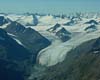
Although the story on glacier fluctuations in northwestern North America over the last 10,000 years has remained largely unchanged for decades, new evidence discovered by a University of Alberta researcher will rewrite that glacial history and offer clues about our climate history during the last several thousand years. |
|
|

| The content herein, unless otherwise known to be public domain, are Copyright 1995-2006 - SpaceDaily.AFP and UPI Wire Stories are copyright Agence France-Presse and United Press International. ESA PortalReports are copyright European Space Agency. All NASA sourced material is public domain. Additionalcopyrights may apply in whole or part to other bona fide parties. Advertising does not imply endorsement,agreement or approval of any opinions, statements or information provided by SpaceDaily on any Web page published or hosted by SpaceDaily. Privacy Statement |