|
 |
 |
 |
 |
 |
 |
 |
 |

 |
Commission Adopts New Galileo Communication
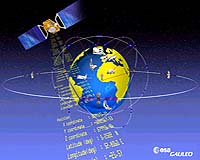
Brussels - Feb 27, 2004 The European Commission adopted a Communication on the Galileo research programme on February 18 2004. Aimed at creating a satellite radionavigation system, the programme, says the report, is making steady progress. Galileo, a joint initiative of the European Commission and the European Space Agency (ESA), is expected to give rise to a technological revolution comparable to that produced by mobile telephones, leading to the development of a new generation of services in sectors such as transport, telecommunications, agriculture and security. According to the new Communication, the Galileo development phase, which runs from 2002 to 2005, is progressing as planned. Speaking to reporters in Brussels, Commission Vice-President Loyola de Palacio said, "Everything is now in place to be able to move on to the deployment and operation phases in accordance with the planned deadlines, i.e. before the end of the decade." Movement on several fronts The year 2003 was crucial for the Galileo programme. The first two experimental satellites were ordered in July 2003 and will be emitting signals from space by the summer of 2006. They will use frequencies allocated to the Galileo system at the 2003 World Radiocommunications Conference. The Communication also cites rapid development of international co-operation. The agreement concluded with China in October 2003 is important example. Similar initiatives are underway with regard to other third countries. Negotiations currently being held with the United States are expected to result in an agreement guaranteeing the interoperability of American and European systems. Finally, the communication devotes much attention to the preparation of deployment (2006 to 2008) and operation (from 2008) phases. The procedure for designating the future Galileo concession holder is also moving forward; three consortia have been selected for the second phase. Moreover, discussions on the future management structures for the system, particularly with respect to the Supervisory Authority, are making good progress within the Council. Laying legal groundwork In its conclusions, the Communication stresses that legislative procedures concerning future management structures must be completed without delay and that the European Parliament and the Council should confirm the guidelines they have previously issued. In particular, it is vital that ESA can decide on technical options considered so far, that the joint undertaking completes negotiations relating to the choice of system operator and that the Supervisory Authority concludes the concession contract. Community Email This Article Comment On This Article Related Links Galileo at ESA SpaceDaily Search SpaceDaily Subscribe To SpaceDaily Express GPS Applications, Technology and Suppliers
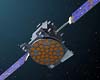
 Galileo GIOVEA Using Marotta Equipment For Its Propulsion Systems
 Cheltenham, England (SPX) Jan 09, 2006
Marotta UK is pleased to announce that it designed, developed and qualified equipment for the cold gas propulsion systems on board the Galileo GIOVE-A, part of Europe's Galileo navigation program, successfully launched by Surrey Satellite Technology (SSTL). |
|
|

| The content herein, unless otherwise known to be public domain, are Copyright 1995-2006 - SpaceDaily.AFP and UPI Wire Stories are copyright Agence France-Presse and United Press International. ESA PortalReports are copyright European Space Agency. All NASA sourced material is public domain. Additionalcopyrights may apply in whole or part to other bona fide parties. Advertising does not imply endorsement,agreement or approval of any opinions, statements or information provided by SpaceDaily on any Web page published or hosted by SpaceDaily. Privacy Statement |