|
 |
 |
 |
 |
 |
 |
 |
 |

 |
China To Launch New Direct Broadcast Satellite To Replace SinoSat-2
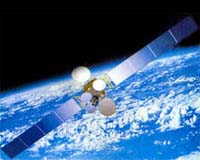
Beijing (Xinhua) Mar 19, 2007 China will launch a new direct broadcast satellite later this year after its predecessor, Sinosat-2, suffered a fatal technical failure in space one month after its launch. Chinasat-9, also the country's second direct-to-home satellite, was scheduled to be launched in September or October, said Du Baichuan, deputy director of the science and technology sector of the State Administration of Radio, Film and Television. Du gave no specific timetable for the launch. The France-made China sat-9 is capable of covering almost all of China, making it possible for at least 98 percent of the population to receive satellite television using small dishes. Chinasat-9 was originally planned to complement Sinosat-2 as mutual back-up to form China's first-generation direct broadcast satellite system. SinoSat-2, China's first direct-to-home satellite, was launched on Oct. 29 last year. It was revealed a month later that it failed to deploy its solar panels and communication antennae and was deemed inoperable. China has 12.6 million digital TV subscribers and a total of 400 million television sets, suggesting a huge potential market for satellite TV. Source: Xinhua News Agency Community Email This Article Comment On This Article Related Links Read More About the Chinese Space Program The Chinese Space Program - News, Policy and Technology China News from SinoDaily.com
 Russian Court Upholds Custody For Space Firm Chief Reshetin
 Moscow (RIA Novosti) Mar 14, 2007
Russia's Supreme Court has upheld a custody order for a Russian aerospace engineering firm head facing charges of transferring sensitive technology to China, a RIA Novosti correspondent reported Wednesday. |
|
|

| The content herein, unless otherwise known to be public domain, are Copyright 1995-2006 - SpaceDaily.AFP and UPI Wire Stories are copyright Agence France-Presse and United Press International. ESA PortalReports are copyright European Space Agency. All NASA sourced material is public domain. Additionalcopyrights may apply in whole or part to other bona fide parties. Advertising does not imply endorsement,agreement or approval of any opinions, statements or information provided by SpaceDaily on any Web page published or hosted by SpaceDaily. Privacy Statement |