
 |
 |
 |
 |
 |
 |
 |
 |
 |

 |
B-2 Accident Report Released
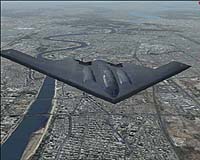
Langley AFB CA (AFNS) Jun 11, 2008 Distorted data introduced by a B-2 Spirit's air data system skewed information entering the bomber's flight control computers ultimately causing the crash of the aircraft on takeoff at Andersen Air Force Base, Guam, Feb. 23, according to an Air Combat Command accident investigation report released June 5. Moisture in the aircraft's Port Transducer Units during air data calibration distorted the information in the bomber's air data system, causing the flight control computers to calculate an inaccurate airspeed and a negative angle of attack upon takeoff. According to the report, this caused an, "uncommanded 30 degree nose-high pitch-up on takeoff, causing the aircraft to stall and its subsequent crash." Moisture in the PTUs, inaccurate airspeed, a negative AOA calculation and low altitude/low airspeed are substantially contributing factors in this mishap. Another substantially contributing factor was the ineffective communication of critical information regarding a suggested technique of turning on pitot heat in order to remove moisture from the PTUs prior to performing an air data calibration. The pilot received minor injuries, and the co-pilot received a spinal compression fracture during ejection. He was treated at Tripler Army Medical Center, Hawaii, and released. The aircraft was assigned to the 509th Bomb Wing at Whiteman Air Force Base, Mo. The cost of the lost aircraft is about $1.4 billion. Community Email This Article Comment On This Article Share This Article With Planet Earth
Related Links The latest in Military Technology for the 21st century at SpaceWar.com
 Electronic Binoculars That Use Brain Activity To Detect Threats
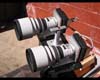 Linthicum MD (SPX) Jun 11, 2008
An academic and industrial consortium led by Northrop Grumman has been awarded the first phase of an advanced research contract to develop a panoramic day/night optical system that will utilize human brain activity to detect, analyze and alert foot-soldiers to possible threats. |
|
|

| The content herein, unless otherwise known to be public domain, are Copyright 1995-2007 - SpaceDaily.AFP and UPI Wire Stories are copyright Agence France-Presse and United Press International. ESA Portal Reports are copyright European Space Agency. All NASA sourced material is public domain. Additional copyrights may apply in whole or part to other bona fide parties. Advertising does not imply endorsement,agreement or approval of any opinions, statements or information provided by SpaceDaily on any Web page published or hosted by SpaceDaily. Privacy Statement |
 del.icio.us
 Digg
Digg Reddit
 YahooMyWeb
 Google
 Facebook