|
 |
 |
 |
 |
 |
 |
 |
 |

 |
BAE SYSTEMS 70mm Laser-Guided Rocket Achieves Two Direct Hits
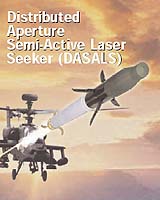
Nashua NH (SPX) Sep 30, 2005 Two BAE Systems laser-guided rockets, developed for the Advanced Precision Kill Weapons System II (APKWS II) competition, recently completed successful flight tests at the U.S. Army's Yuma Proving Ground, Ariz. The 70mm rockets scored direct hits on laser-designated stationary and moving targets. Meanwhile, BAE Systems announced it will bid as prime contractor for this fall's APKWS II competition and has partnered with Northrop Grumman as systems integrator. "The BAE Systems/Northrop Grumman partnership will be well positioned to meet the Army's needs for a low-cost, low-collateral-damage precision rocket," said Frank Wilson, director of Missile Seekers for BAE Systems. "The back-to-back successful flights, part of our ongoing test program, demonstrate the readiness of our technology improvements and our commitment to fielding a highly capable system." Rockets were fired from a ground-based M260 launcher during the Arizona flight tests. The first was a 1.5km shot, demonstrating short-range performance, and the second was a 3.3km shot at a moving target. Both made direct hits. BAE Systems developed a Distributed Aperture Semi-Active Laser Seeker (DASALS) for the original APKWS effort, "and we have continued to improve and mature the seeker to achieve a low-risk, cost-effective solution that provides the best value to the war fighter," Wilson said. Community Email This Article Comment On This Article Related Links BAE Systems SpaceDaily Search SpaceDaily Subscribe To SpaceDaily Express Learn about missile defense at SpaceWar.com All about missiles at SpaceWar.com
 Northrop Grumman Wins Contract For Target And Space-Launch Missile Work
 Reston VA (SPX) Jan 12, 2006
Northrop Grumman has been awarded a follow-on contract to provide technical support to the U.S. Air Force's Rocket Systems Launch Program (RSLP). |
|
|

| The content herein, unless otherwise known to be public domain, are Copyright 1995-2006 - SpaceDaily.AFP and UPI Wire Stories are copyright Agence France-Presse and United Press International. ESA PortalReports are copyright European Space Agency. All NASA sourced material is public domain. Additionalcopyrights may apply in whole or part to other bona fide parties. Advertising does not imply endorsement,agreement or approval of any opinions, statements or information provided by SpaceDaily on any Web page published or hosted by SpaceDaily. Privacy Statement |