|
 |
 |
 |
 |
 |
 |
 |
 |

 |
Astronauts collect blood for immune study
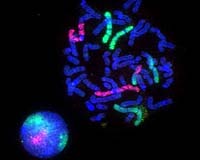
Houston (UPI) Feb 26, 2008 International Space Station crew members are collecting blood, saliva and urine samples to study their immune function in microgravity. The National Aeronautics and Space Administration said while previous research conducted after landing showed dramatic changes in crew members' immune systems, the on-going first-of-its-kind study is the only one to comprehensively monitor the human immune system before, during and after spaceflight. Dr. Clarence Sams at the Johnson Space Center in Houston is the principal investigator for the study that will determine the clinical risks due to the adverse effects of spaceflight on immunity and confirm an immune-monitoring strategy. "Brief stress for astronauts, such as launch and landing,can alter immunity," said Dr. Brian Crucian, a co-investigator for the experiment. "Landing is a significant stress on the human body and it somewhat skews the post-flight data we get from crew members. "Since we don't know if the immune system changes during flight will resolve or worsen over a long-duration mission, this is a perfect opportunity to determine the status of immunity as it balances out during flight," Crucian said. Researchers said the study will help determine whether countermeasures are needed to prevent immune dysfunction during exploration-class spaceflight. Community Email This Article Comment On This Article Related Links Space Medicine Technology and Systems
 Spaceflight Shown To Alter Ability Of Bacteria To Cause Disease
 Tempe AZ (SPX) Oct 02, 2007
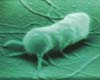
Space flight has been shown to have a profound impact on human physiology as the body adapts to zero gravity environments. Now, a new study led by researchers from the Biodesign Institute at Arizona State University has shown that the tiniest passengers flown in space-microbes-can be equally affected by space flight, making them more infectious pathogens. |
|
|

| The content herein, unless otherwise known to be public domain, are Copyright 1995-2007 - SpaceDaily.AFP and UPI Wire Stories are copyright Agence France-Presse and United Press International. ESA Portal Reports are copyright European Space Agency. All NASA sourced material is public domain. Additional copyrights may apply in whole or part to other bona fide parties. Advertising does not imply endorsement,agreement or approval of any opinions, statements or information provided by SpaceDaily on any Web page published or hosted by SpaceDaily. Privacy Statement |