|
 |
 |
 |
 |
 |
 |
 |
 |

 |
Asteroid nears Mars at 8 miles per second
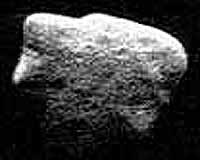
St. Petersburg, Russia (UPI) Dec 22, 2007 An asteroid on a likely collision course with Mars could give scientists a look at what lies beneath the surface of the red planet. The asteroid, traveling at 8 miles per second, will not affect the Earth if it hits Mars, Russian Academy of Science spokesman Sergei Smirnov told RIA Novosti in a story published Saturday. NASA scientists have reduced the chance of an impact between the asteroid and Mars to one in 75. A direct hit next month would throw up a plume of debris that scientists could analyze for clues about what lies below the planet's surface, The Telegraph reported Saturday. The impact of the asteroid on Mars could equal the impact of the Tunguska meteorite, which caused massive destruction when it crashed into central Siberia in 1908," Smirnov said, noting a large asteroid expected to pass near Earth in 2028 could cause a major disaster if it collides with the Earth. Community Email This Article Comment On This Article Related Links Asteroid and Comet Mission News, Science and Technology
 Asteroid could hit Mars next month: NASA
 Los Angeles (AFP) Dec 21, 2007
An asteroid hurtling towards Mars has a one in 75 chance of chance of scoring a direct hit on the red planet next month, NASA experts said in a statement Friday. |
|
|

| The content herein, unless otherwise known to be public domain, are Copyright 1995-2007 - SpaceDaily.AFP and UPI Wire Stories are copyright Agence France-Presse and United Press International. ESA Portal Reports are copyright European Space Agency. All NASA sourced material is public domain. Additional copyrights may apply in whole or part to other bona fide parties. Advertising does not imply endorsement,agreement or approval of any opinions, statements or information provided by SpaceDaily on any Web page published or hosted by SpaceDaily. Privacy Statement |