|
 |
 |
 |
 |
 |
 |
 |
 |

 |
Antarctic census set to reveal new species: scientists
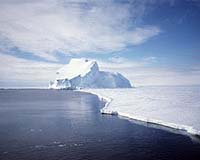
Sydney (AFP) Feb 20, 2008 An international project to document the sea life of Antarctica is likely to reveal new species among the dinner-plate sized sea spiders and other overgrown animals of the deep, scientists said Wednesday. Researchers from the Australian, French and Japanese venture designed to complete a census of marine life in the icy Southern Ocean before it is degraded by global warming, have brought thousands of specimens back. Martin Riddle, who led the voyage for the Australian ship scouring the ocean floor, said his seven-week expedition had collected "thousands and thousands" of animals and as many as 1,500 different species. Asked if he expected to find new species among this haul, he said: "I would be very surprised if there weren't." French and Australian scientists on the project have so far collected 75 different species of fish and, of these, about three or four were new to science, he said. But he said once the entire catch was classified -- including sea worms and other smaller animals -- he expected about 10 percent to be previously unknown species. The Australian scientists spent 20 days at sea, spending 24 hours a day in 12-hour shifts filming and collecting marine specimens of fish, sea urchins and more unusual animals such as the glass-like tunicates which grow up from the sea bed. "In some places every inch of the sea floor is covered in life," Riddle said. "In other places we can see deep scars and gouges where icebergs scour the sea floor as they pass by." Much of what they found was oversized, as is expected in colder Antartica waters, with the voyage bringing home huge worms, giant crustaceans and large sea spiders. "I was staggered by the size of things to be honest," said Riddle, who is a project manager at the Australian Antarctic Division. Of the sea spiders, he said: "We were getting up many of these... where the leg spans were larger than a dinner plate." Riddle said the census would be a reference point to monitor the impact of environmental change, such as rising carbon dioxide in the ocean as a result of increased global greenhouse gas emissions, on marine life. The greater the amount of carbon dioxide in the water, the harder it becomes for marine organisms to grow skeletons and the impact is more pronounced in colder waters, he said. "We know these effects are going to be seen first in Antarctica," he said. "We need to know about it to begin to ring the warning bells." Community Email This Article Comment On This Article Related Links Beyond the Ice Age
 Global warming could invite sharks to Antarctica: biologists
 Boston, Massachusetts (AFP) Feb 15, 2008
Global warming could bring ferocious sharks to Antarctic waters, threatening a unique marine life shielded from predators by frigid conditions for millions of years, biologists warn. |
|
|

| The content herein, unless otherwise known to be public domain, are Copyright 1995-2007 - SpaceDaily.AFP and UPI Wire Stories are copyright Agence France-Presse and United Press International. ESA Portal Reports are copyright European Space Agency. All NASA sourced material is public domain. Additional copyrights may apply in whole or part to other bona fide parties. Advertising does not imply endorsement,agreement or approval of any opinions, statements or information provided by SpaceDaily on any Web page published or hosted by SpaceDaily. Privacy Statement |