|
 |
 |
 |
 |
 |
 |
 |
 |

 |
UNEP aims to generate power in African sugar and tea farmlands
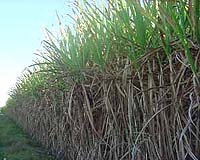
Nairobi (AFP) Nov 8, 2007 The UN Environment Programme on Thursday launched two projects to generate small-scale electric power from wastes in the tea and sugar plantations in eastern and southern Africa. The 100-million-dollar projects, funded by the Global Environmental Facility (GEF), are expected to benefit 18 million farmers in some 11 countries. The tea and sugar projects aim to generate 10 and 82 megawatts respectively in their initial phases with ambitions to increase production, the Nairobi-based UNEP said in a statement. "These two new UNEP-led projects showcase the multiple benefits sustainable development can have for rural areas, offering social, economic and environmental benefits that help locally and globally," GEF chief Monique Barbut said in the statement. Some 40 percent of electricity needs in the Indian Ocean island of Mauritius are met by waste by-products from the sugar industry. "By relying on low-cost, renewable indigenous fuels such as sugar byproducts and offcuts from the timber industry, these cogeneration units will cut greenhouse gas emissions and reduce energy costs for the region's agro-processing and forest industries," the statement said. Community Email This Article Comment On This Article Related Links Powering The World in the 21st Century at Energy-Daily.com
 Energy From Hot Rocks
 Davis CA (SPX) Nov 09, 2007
Two UC Davis geologists are taking part in the Iceland Deep Drilling Project, an international effort to learn more about the potential of geothermal energy, or extracting heat from rocks. Professors Peter Schiffman and Robert Zierenberg are working with Wilfred Elders, professor emeritus at UC Riverside, Dennis Bird at Stanford University and Mark Reed at the University of Oregon to study the chemistry that occurs at high pressures and temperatures two miles below Iceland. |
|
|

| The content herein, unless otherwise known to be public domain, are Copyright 1995-2007 - SpaceDaily.AFP and UPI Wire Stories are copyright Agence France-Presse and United Press International. ESA Portal Reports are copyright European Space Agency. All NASA sourced material is public domain. Additional copyrights may apply in whole or part to other bona fide parties. Advertising does not imply endorsement,agreement or approval of any opinions, statements or information provided by SpaceDaily on any Web page published or hosted by SpaceDaily. Privacy Statement |